
For wood chip and biomass buyers and receiving teams
Wood chips and biomass: pay a fair price for energy, not water
Enter the contract moisture, the load moisture and the price: in 1 minute, how much of the load is energy, how much is water and what a fair price for the delivered energy would be.
- Fair load price
- Open formula
- With your contract moisture
When the truck arrives wet at the yard
-
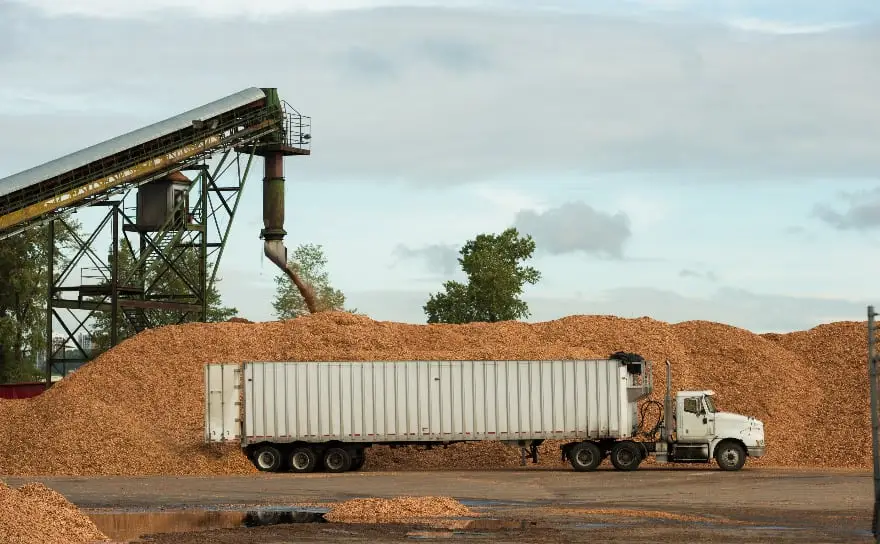
After days of rain, the load can weigh the same on the scale, but a bigger part of it is water, which makes no steam and still takes energy to evaporate.
-
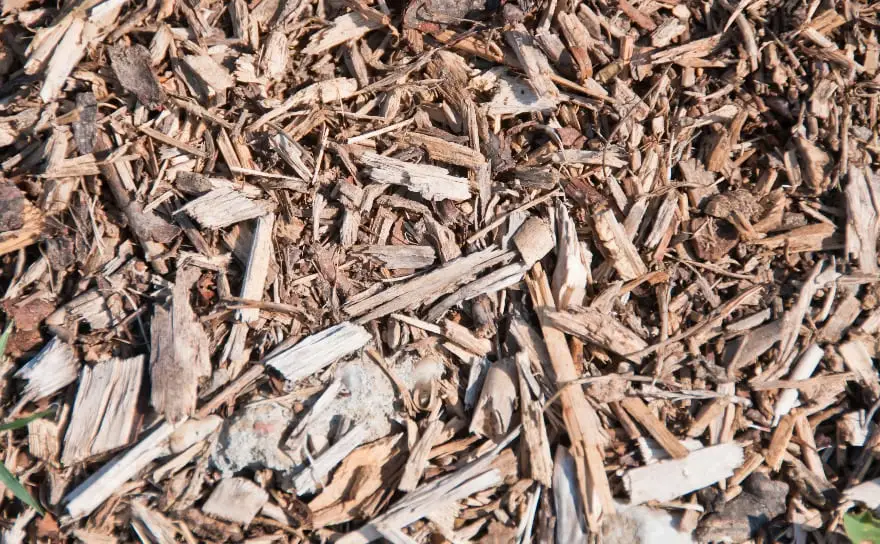
In the truck in the drawing below, gold is the energy that arrived; blue is the extra water compared with the contract moisture.
-
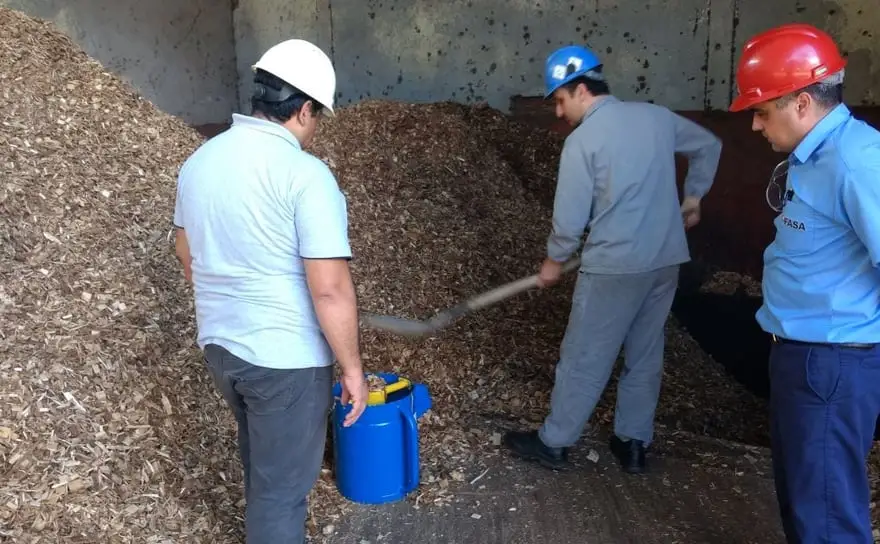
By measuring moisture on arrival, the load price can follow the energy delivered, with a discount or bonus for moisture, not just the weight.
Your numbers, in plain view
- energy that arrived
- extra water
Calculator unlocked. Enter your process numbers.
How the calculation works
LHV = GCV − 600 × (9 × H ÷ 100) and NCV = LHV × (1 − M) − 600 × M, in kcal/kg, with H = 6% hydrogen (typical of biomass) and M = moisture on a wet basis (fraction). Fair price = contract price × measured NCV ÷ contract NCV. GCV = gross calorific value; LHV = lower heating value; NCV = net calorific value. For chip blends, the GCV is the weighted average of the pine and eucalyptus GCVs, in the proportion shown in the name (pine/eucalyptus).
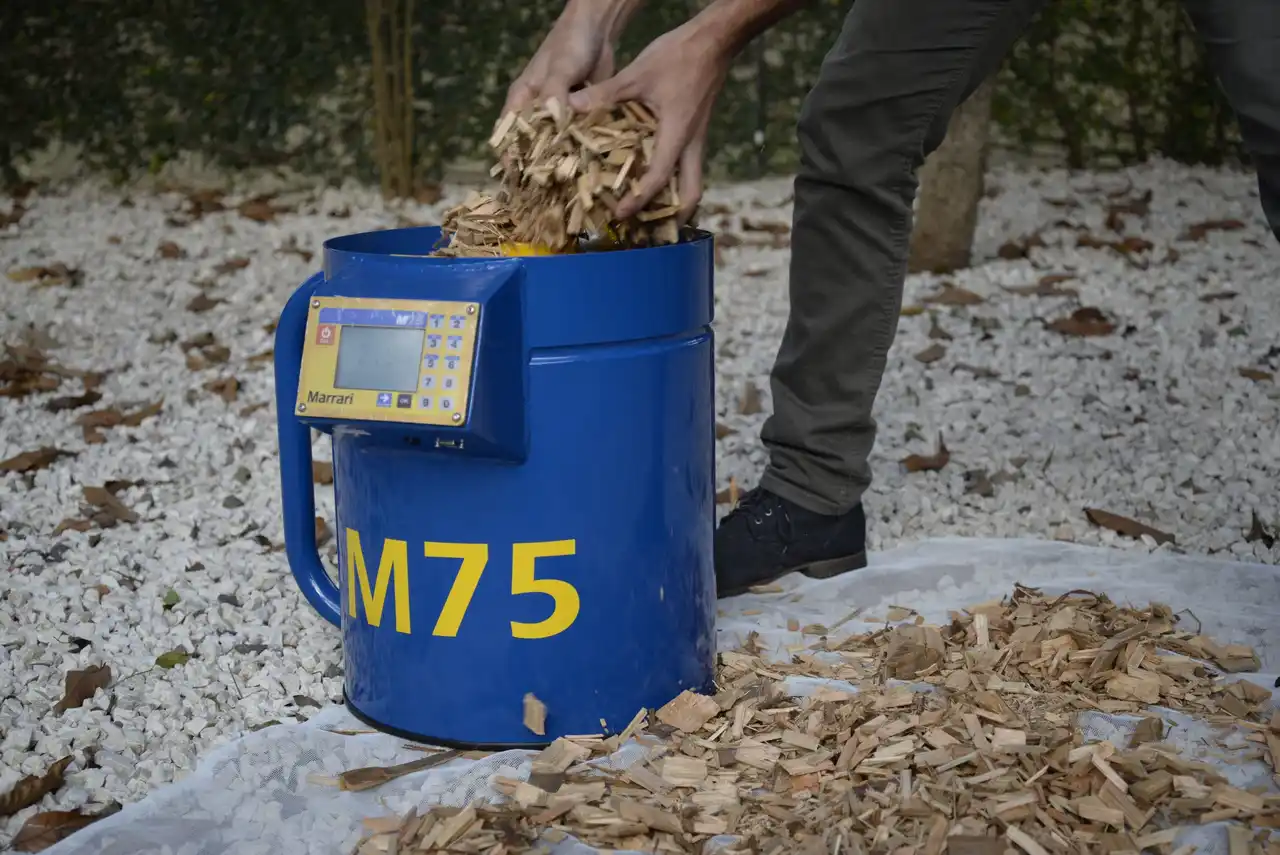
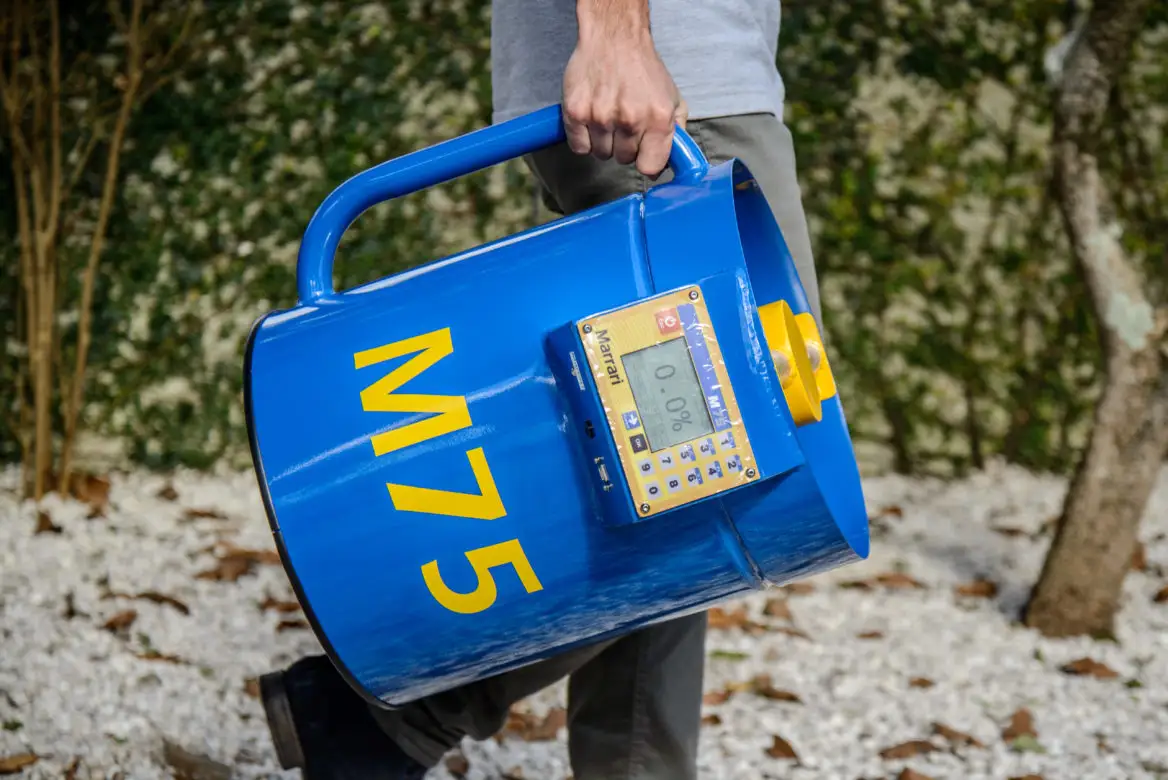
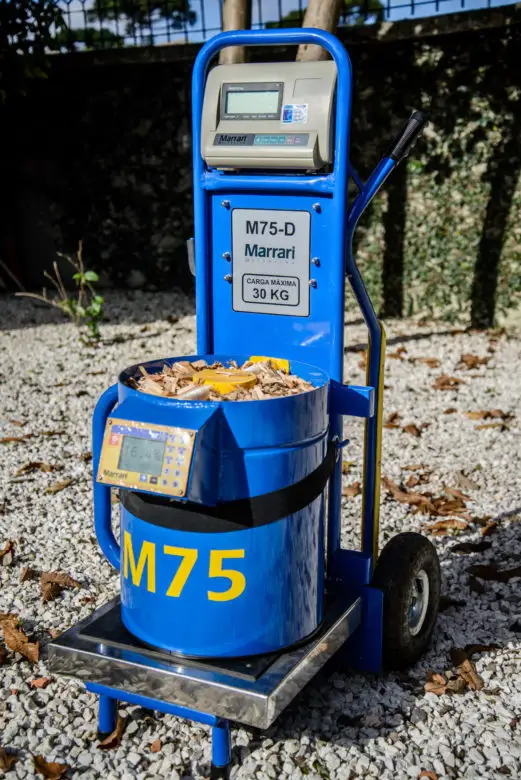
GCVs are the UmiData table values; for pine, rice husk and coconut husk, those from the article on calorific value; for shavings, black wattle, tropical hardwood, eucalyptus bark and peanut shells, those from research by Embrapa, IBAMA, IPEF and Brazilian universities (Protásio et al., 2011; Costa Junior et al., 2023; Quirino et al., 2005; Liberato et al., 2023; Dourado et al., 2017); approximate values. The M75 (or M75D) calculates the NCV instantly, with your material recipe, and UmiData runs the same price calculation with your load data.
Companies that use M75


Want to measure load moisture on arrival?
Send your result to a wood chip and biomass moisture meter specialist or ask for an M75 quote.
Equipment that measures this
Go deeper
 Free