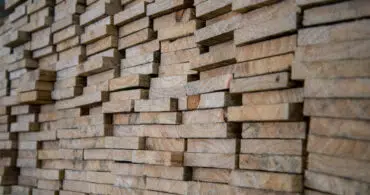

The question of how to measure wood chip moisture comes up again and again in industries that rely on this biomass to generate energy and steam. Measuring that moisture accurately is essential for combustion efficiency and energy use. Below we look at why this control matters and the best methods available on the market.

Why accurate wood chip moisture measurement matters
The moisture content of wood chips directly affects the thermal efficiency of combustion. When moisture is poorly managed, several problems can arise:
- Lower combustion efficiency: wet chips burn less efficiently because part of the energy is spent evaporating the water in the biomass.
- Wasted energy: the higher the water content, the less energy is available to generate steam and electricity.
- Higher emissions: incomplete combustion caused by high moisture can release particulate matter and other pollutants.
- Material deterioration: storing overly wet chips can lead to rot and the growth of fungi and bacteria, compromising biomass quality.
That is why measuring wood chip moisture is essential for an efficient, economical process.
How to measure wood chip moisture
Industry uses different methods to measure wood chip moisture. Each technique has specific advantages depending on the application.
1. Oven-drying (gravimetric) method
This is one of the most accurate laboratory methods. A sample is weighed before and after drying in an oven at a standard temperature; the weight difference corresponds to the moisture content. Despite its high accuracy, it is slow and not suitable for real-time measurement.
2. Microwave moisture meters
Microwave sensors measure the amount of water in the chips through the interaction of electromagnetic waves with the material’s moisture. The method is fast and non-destructive, allowing dynamic measurements.
3. Dielectric impedance meters
Dielectric impedance technology is highly effective for biomass moisture measurement because it reads a large volume of material, giving a more representative estimate of the real moisture. This is the operating principle of Marrari Automação’s meters, such as:
- UmiChip in-line biomass moisture meter: ideal for continuous measurement on conveyor belts, providing real-time data to optimize the process.
- M75D moisture and bulk density meter: measures biomass moisture and bulk density at the same time for tighter control of the material.
- M75 moisture meter for biomass and granulates: widely used for laboratory and industrial measurements, with high accuracy and easy calibration for different types of biomass.


Applications of wood chip moisture measurement
Moisture measurement is essential in many industrial segments. Some examples:
- Biomass power plants: companies that burn wood chips to generate electricity need the right moisture content to increase energy efficiency and reduce emissions.
- Pulp and paper: chip moisture directly affects pulp quality, cooking efficiency and the uniformity of the final product.
- Food processing: companies that use wood chips to smoke food need to control moisture for consistent flavor and to avoid excess smoke.
- Timber and forestry: the quality of wood for different uses, including pellet and briquette production, depends on moisture control of the raw material.
Conclusion
Knowing how to measure wood chip moisture is key to operational efficiency, less waste and more sustainable industrial processes. With Marrari moisture meters you get fast, accurate measurements, better energy use and lower environmental impact.
Investing in reliable measurement equipment is an essential step for industries that want to optimize their processes and build a more efficient, sustainable future.
Want to apply this in your plant?
Talk to a Marrari specialist on WhatsApp or see the right solution for your process.