Accurate biomass moisture measurement is one of the most critical factors for energy efficiency and lower operating costs in industrial combustion processes such as steam and power generation. Moisture directly affects how much energy is needed to burn the material and therefore system performance. A high-accuracy biomass moisture meter lets plants make fast, effective adjustments to optimize fuel use and control emissions.
Major Brazilian companies such as AMBEV, Votorantim, BRF, Suzano, COAMO and Cargill recognize the benefits of this technology and use the M75 biomass moisture meter at many of their sites. These companies lead in energy efficiency and sustainability, relying on the M75 to manage their biomass better and produce more economically and sustainably.
In this article, we take a detailed look at how a biomass moisture meter improves efficiency in power and steam generation, covering its features, technical benefits and economic impact.
1. Measurement accuracy and representative sampling
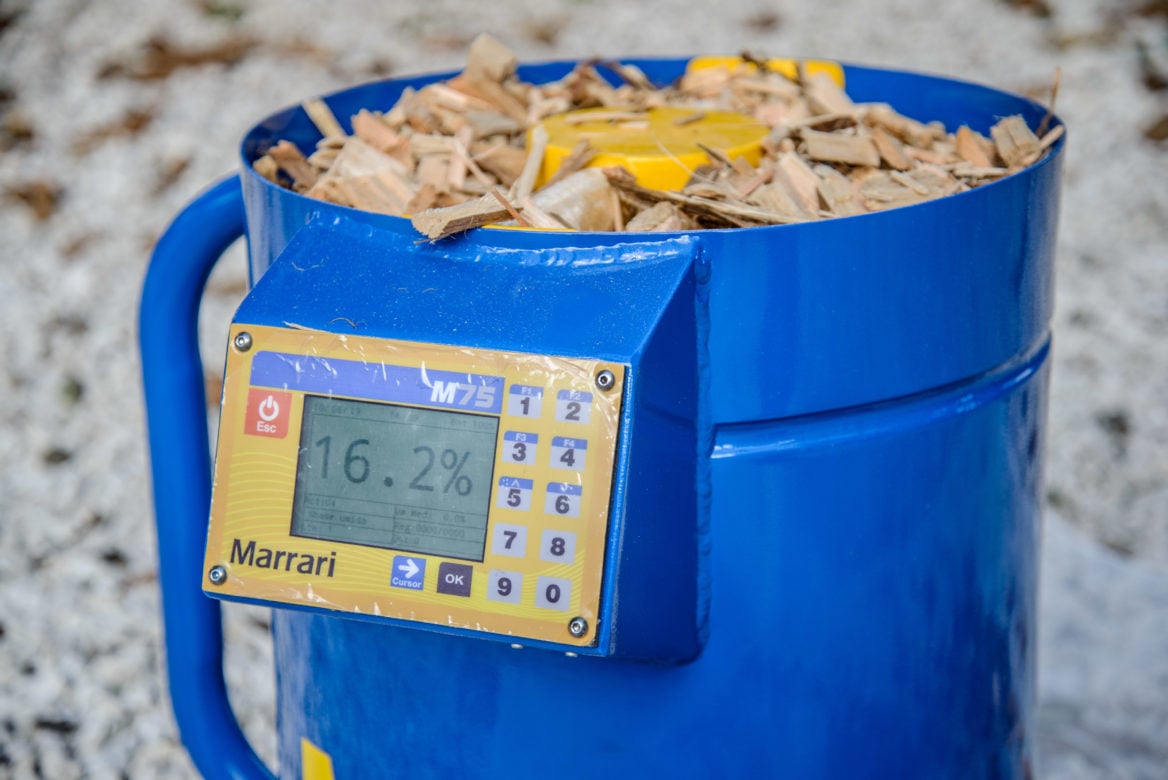
Accurate biomass moisture measurement is one of the most important factors for efficient combustion. Unlike conventional methods, which often rely on small samples and slow procedures, the M75 biomass moisture meter delivers fast, reliable measurements on a large volume of material. The reading therefore reflects the average condition of a large batch more accurately, reducing the errors that small samples can introduce.
For example, the M75 handles samples of up to 35 liters, far more than laboratory methods, which often use samples of just 200 grams. This improves accuracy and speeds up operational adjustments, which is vital for efficient plant operation.
2. How moisture affects energy yield and steam generation
High-moisture biomass hurts combustion and lowers the energy yield of industrial boilers and steam generators. A biomass moisture meter enables strict, constant moisture control, raising energy efficiency by ensuring biomass is burned at the right moisture content.
For example, biomass at 50% moisture needs much more energy to evaporate its water than biomass at 20%, significantly reducing final yield. Continuous moisture monitoring keeps biomass within ideal parameters, improving efficiency and reducing waste.
Lower moisture also means cleaner combustion, with less soot and unburned material. These residues raise boiler maintenance costs and reduce overall system efficiency.
3. Economic benefits: lower operating costs and higher profitability
Optimizing combustion through tighter moisture control brings direct savings. Biomass at controlled moisture yields more energy, so less fuel is needed and purchasing and transport costs fall. Efficient combustion also extends the life of boilers and other equipment, reducing maintenance and repair costs.
Another important benefit is stability: with moisture under control, the boiler keeps pressure and steam output steadier, with fewer manual adjustments.
4. Lower emissions and environmental sustainability
Beyond cost savings, a biomass moisture meter plays an important role in reducing emissions. When biomass is used more efficiently, fuel consumption and emissions of carbon monoxide (CO) and particulate matter go down.
High-moisture biomass burns less completely and produces more CO and smoke. With a moisture meter, biomass can be brought to levels that minimize these emissions, supporting more sustainable operation and compliance with environmental standards.
Reducing moisture before combustion also cuts soot and unburned material, which harm air quality. This is especially important for plants in environmentally sensitive areas or with strict emission limits.
5. Analysis tools and process integration
Besides measuring moisture, the M75 biomass moisture meter offers tools for analyzing and controlling combustion. One of them is a calorific value calculator, which shows how moisture affects the material’s energy value. With it, plants can set the amount of biomass needed to meet their power and steam targets precisely.
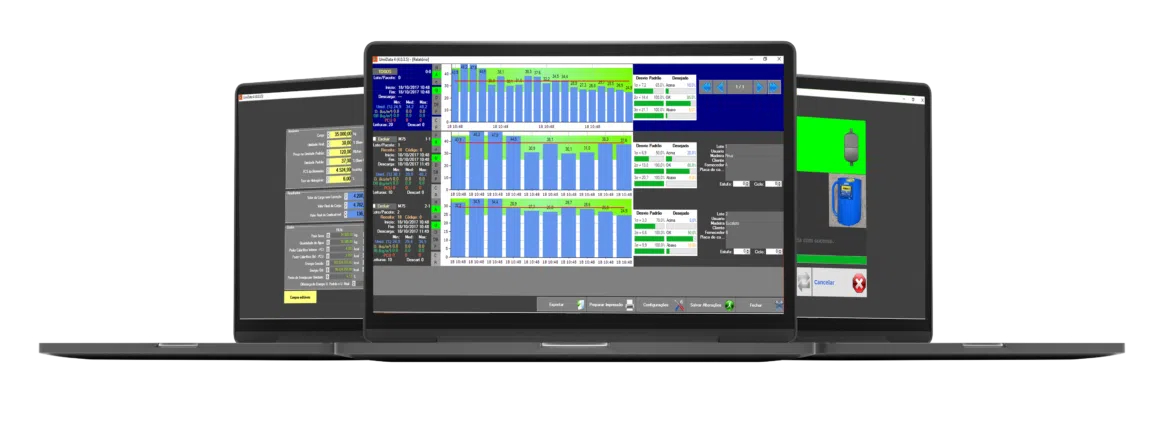
The device also stores readings and transfers them to the UmiData software, where data can be integrated with other control systems. This makes it easier to produce detailed reports on biomass performance over time and manage combustion more effectively.
6. Versatile applications for different types of biomass
The biomass moisture meter is highly versatile and measures many materials, including eucalyptus chips, sugarcane bagasse, sawdust, rice husk and charcoal. This flexibility makes it valuable for the energy, pulp, paper and agribusiness industries, among many others.
For materials not preconfigured, Marrari offers custom calibration services, creating dedicated “recipes” for different types of biomass. The meter is thus adapted to each customer’s needs, giving accurate, reliable measurements whatever the material.
Conclusion
Accurate biomass moisture measurement is a fundamental step in optimizing steam and power generation, delivering higher efficiency, lower operating costs and reduced environmental impact. Marrari’s M75 biomass moisture meter is a robust, reliable solution for companies that want to maximize energy yield and meet demanding sustainability standards.
With advanced features and data integration, the M75 does more than measure moisture: it provides tools to analyze and optimize combustion, making it a key part of industrial modernization. Market leaders such as AMBEV, Votorantim, BRF, Suzano, COAMO and Cargill already use it at many sites, demonstrating its effectiveness and reliability.
Get a free biomass assessment and save fuel
Marrari offers a free assessment for companies that generate power and steam from biomass, showing how to use it as efficiently and economically as possible, with solutions, methods and ideas to improve your process.
Want to apply this in your plant?
Talk to a Marrari specialist on WhatsApp to book your assessment or see the right solution for your process.