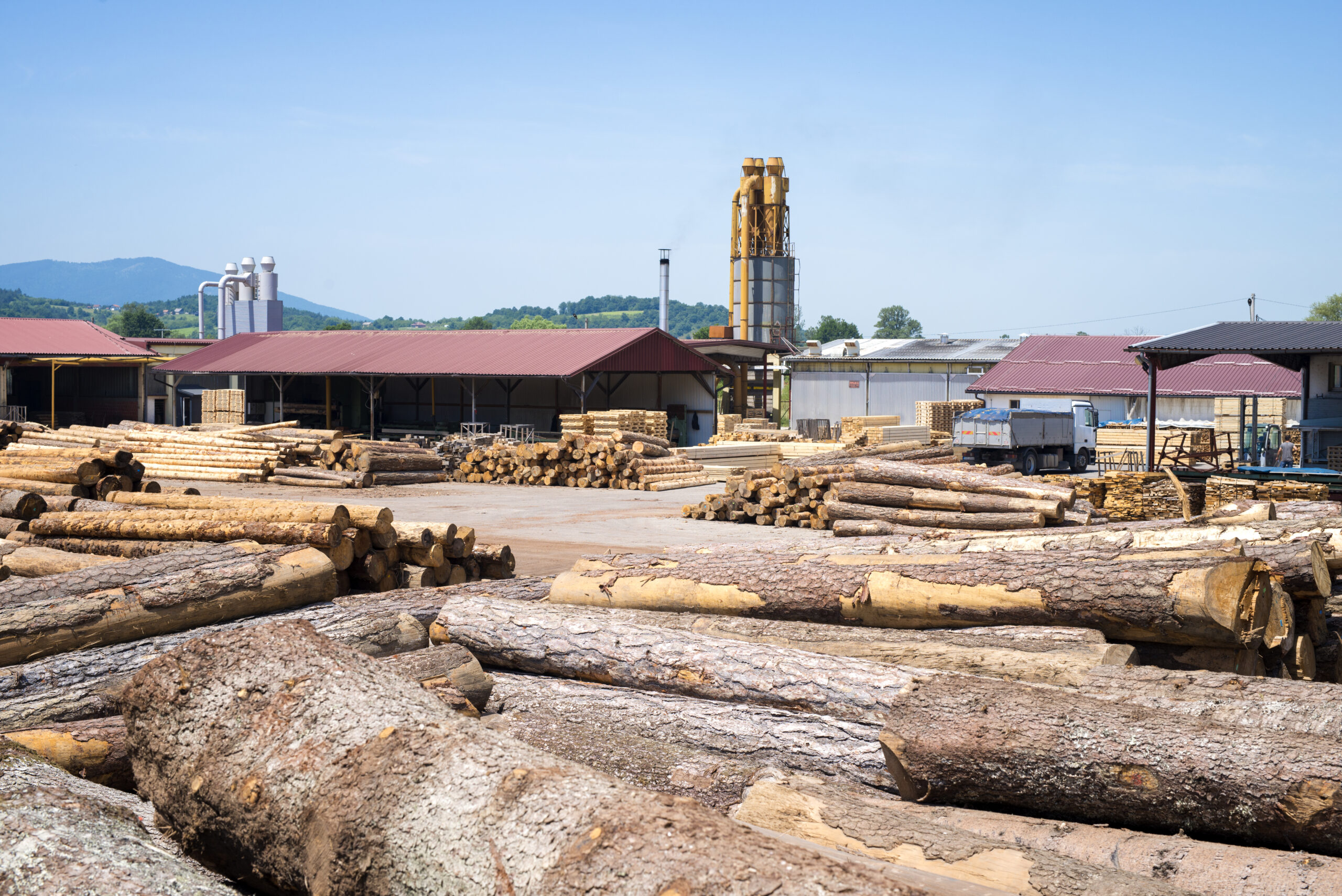
If your goal is to improve sawmill operating efficiency and boost productivity, this guide is for you. In this article we look in detail at eight key strategies that can transform your sawmill, increase its efficiency and raise production standards.
1. State-of-the-art cutting technology
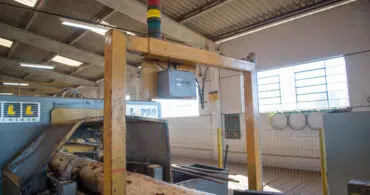
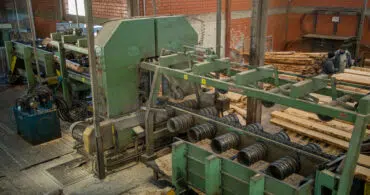
At the heart of an efficient sawmill is the choice of advanced cutting technology. Investing in high-precision saw blades and automated cutting machines is a must. Computer-controlled cutting systems improve cut quality and optimize wood use, keeping waste to a minimum.
2. Workflow orchestration
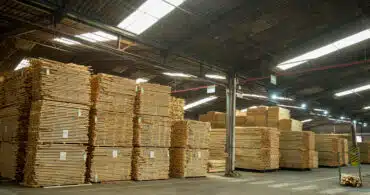
Building an effective workflow is like conducting a complex symphony. Plan the sawmill layout carefully so raw material flows smoothly from intake to output. This reduces idle time, keeps every operation in harmony and makes the most of your resources.
3. Team training
A well-trained team is the foundation of a successful sawmill. Provide ongoing training so operators fully understand the machines and best operating practices. A skilled team not only increases efficiency but also improves workplace safety.

4. Strategic maintenance
Just as an orchestra needs well-tuned instruments, your machines need regular care. Set up a rigorous preventive maintenance program to avoid unplanned downtime. Well-maintained machines run consistently and reliably.
5. Smart waste management
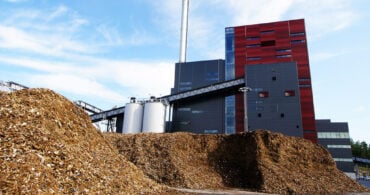
Waste can be turned into an opportunity. Put strategies in place to convert by-products into useful resources: cutting residues can be reused for pellets, particleboard or biomass, adding value and reducing environmental impact.
6. Smart automation
Automating routine tasks frees people for higher-value work. Beyond cutting, consider automating material loading and unloading, sorting and stacking. This raises both efficiency and work quality.
One of the routines Marrari helps automate the most is production control with the Pro X system: it records machine output and generates reports on when a machine stops, why, which operator was responsible and much more.
Video in Portuguese.

7. Data analysis and continuous optimization
The digital revolution brought the power of data analysis. Use data collection systems to monitor machine performance, spot trends and find improvement opportunities. Continuous, data-driven optimization is the essence of operational progress.

8. Commitment to sustainability
In an increasingly environmentally aware world, sustainability is an essential pillar. Investing in energy-efficient technology, adopting responsible forest management and reducing water use benefit both the sawmill and the planet.
In short, an exceptionally efficient sawmill is built by carefully combining technology, workflow management, training, maintenance and environmental responsibility. With these eight strategies you will be ready to turn your sawmill into a model of productivity, efficiency and sustainability. The constant pursuit of improvement is what drives success in an ever-evolving timber industry.
Want to apply this in your plant?
Talk to a Marrari specialist on WhatsApp or see the right solution for your process.