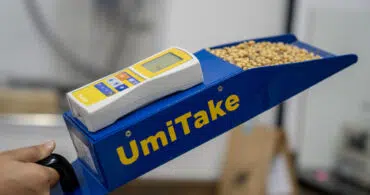

In the grain industry, accurate moisture determination is essential to ensure final product quality. Moisture is one of the main factors affecting the stability and durability of grains and seeds, as well as how well they can be stored and processed. In this article we look at why measuring grain and seed moisture matters and how to do it.
Why is moisture so important?
Moisture is a critical parameter in the grain industry because it directly affects product quality, nutritional value and shelf life. Inadequate moisture content can lead to a number of problems:
- Spoilage and loss of quality: Excess moisture creates an environment for fungi, bacteria and insects, leading to spoilage, mold, heating and loss of grain quality. High moisture can also cause premature germination, while over-drying causes cracking and breakage, reducing usefulness and market value.
- Poor storage: Grain above recommended moisture levels is more prone to storage problems such as caking, more insect activity and the risk of spontaneous combustion, which can cause significant financial losses for growers and processors.
- Inefficient processing: Inadequate moisture also hurts industrial processes such as milling, crushing and oil extraction. Grain that is too dry can be hard to process, reducing yield and quality, while overly wet grain can cause blockages and equipment malfunctions.

How to measure grain moisture
Accurate measurement of grain and seed moisture is essential for informed decisions on storage, processing and marketing. Several techniques are available, including:
- Oven-drying method: A traditional method: a grain sample is weighed, dried in an oven at a specific temperature and the moisture calculated from the weight loss. It is reliable but slow and requires specialized equipment.
- Portable moisture meters: These electronic devices measure grain moisture quickly and non-destructively using principles such as capacitance, electrical resistance or microwaves. They are easy to use, give immediate results and are widely available. Marrari offers portable meters such as the M75, for biomass and granulates, and the M65, a probe-type meter.
- In-line measurement systems: These systems are built into production lines and measure grain moisture continuously during processing, using capacitive, microwave or infrared sensors for accurate real-time readings. See UmiGrain, Marrari’s high-accuracy, reliable in-line solution.
Video in Portuguese.

Conclusion
Accurate grain moisture measurement is crucial for the quality and safety of products in the grain and seed industry. Inadequate moisture can cause spoilage, poor storage and inefficient processing. That is why reliable methods such as oven drying, portable meters or in-line systems are essential: they help growers and processors make informed decisions and apply good storage and processing practices.
Want to apply this in your plant?
Talk to a Marrari specialist on WhatsApp or see the right solution for your process.