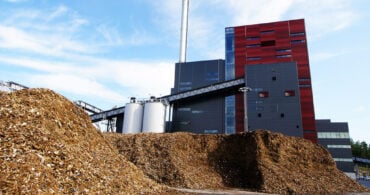
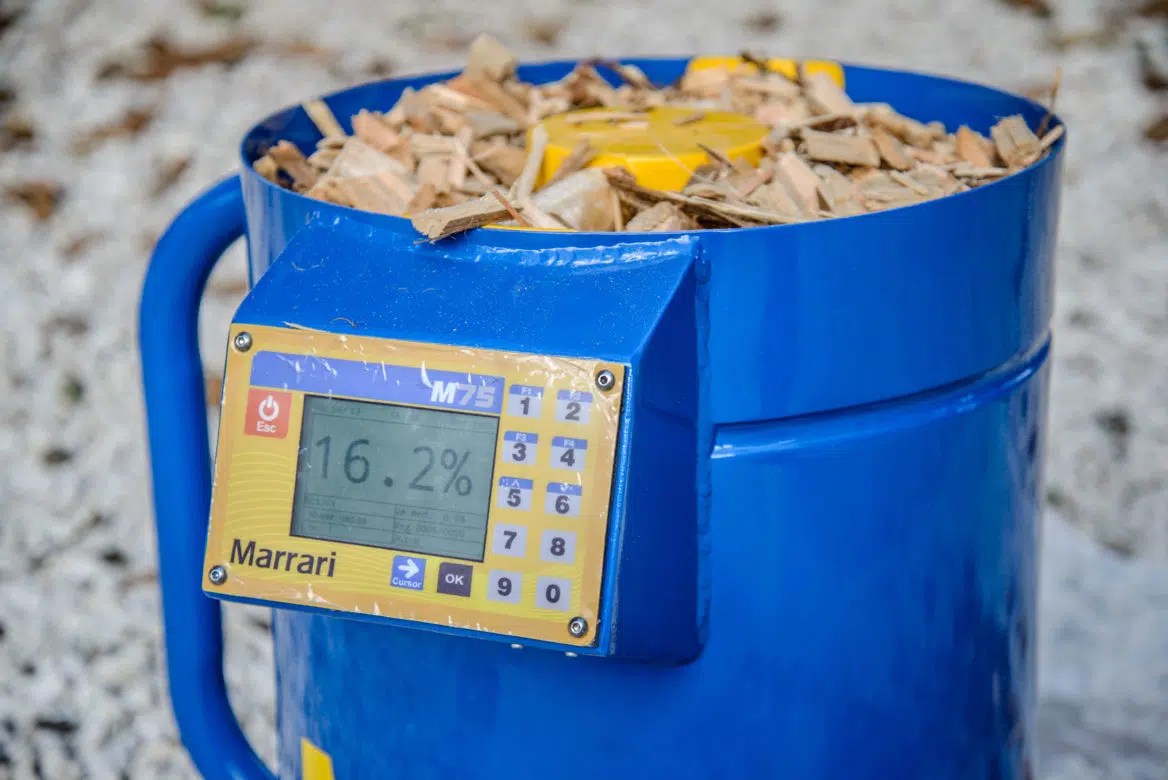
Biomass has become an increasingly important energy source, offering a sustainable, renewable alternative for generating electricity, heat and fuel. To get the most out of it, however, a specialized moisture meter is essential. In this article we look at why a biomass moisture meter matters: its accuracy, fast readings, energy efficiency and data management, all of which support more efficient use of this valuable resource.
To better understand the text below, watch a short video explaining what a moisture meter is (in Portuguese):

Accuracy
When working with biomass, knowing the exact moisture of the material is crucial. A biomass moisture meter provides accurate, reliable readings. This information is key to optimizing biomass production, storage and transport, avoiding problems such as incomplete combustion, lower energy efficiency and material deterioration.
Fast readings
Another advantage of using a biomass moisture meter is how fast it reads. These modern devices deliver results in seconds, enabling quick decisions, optimized production processes and more effective quality control.

Energy efficiency
Improper moisture in biomass can significantly affect energy efficiency. By using a moisture meter, you can identify the ideal moisture content for burning or processing the biomass. This improves energy use and maximizes the production of heat, electricity or biofuel. By avoiding high-moisture biomass, the meter helps reduce energy consumption and improve overall efficiency.
Moisture in the steam and power boiler feed
One of the main reasons to measure biomass moisture before feeding the steam and power boiler is to ensure process efficiency and safety. Improper moisture affects boiler operation, steam system performance and the quality of the energy produced.
Process efficiency
High-moisture biomass has a lower calorific value (which Marrari biomass moisture meters such as the M75 calculate in real time) and needs more energy to burn properly. Feeding the boiler with wet biomass can cause incomplete combustion, releasing less heat and producing less steam and power. Excess moisture can also lower flame temperature, make ignition harder and promote fouling on heat exchange surfaces, which hurts efficiency.
Operational safety
Excess moisture in biomass also produces more water vapor during combustion. That vapor can carry solid particles and harmful substances up the stack and cause corrosion, clogging and deposits on the boiler’s internal surfaces. These problems reduce efficiency and pose risks to safety and equipment integrity.
Data management
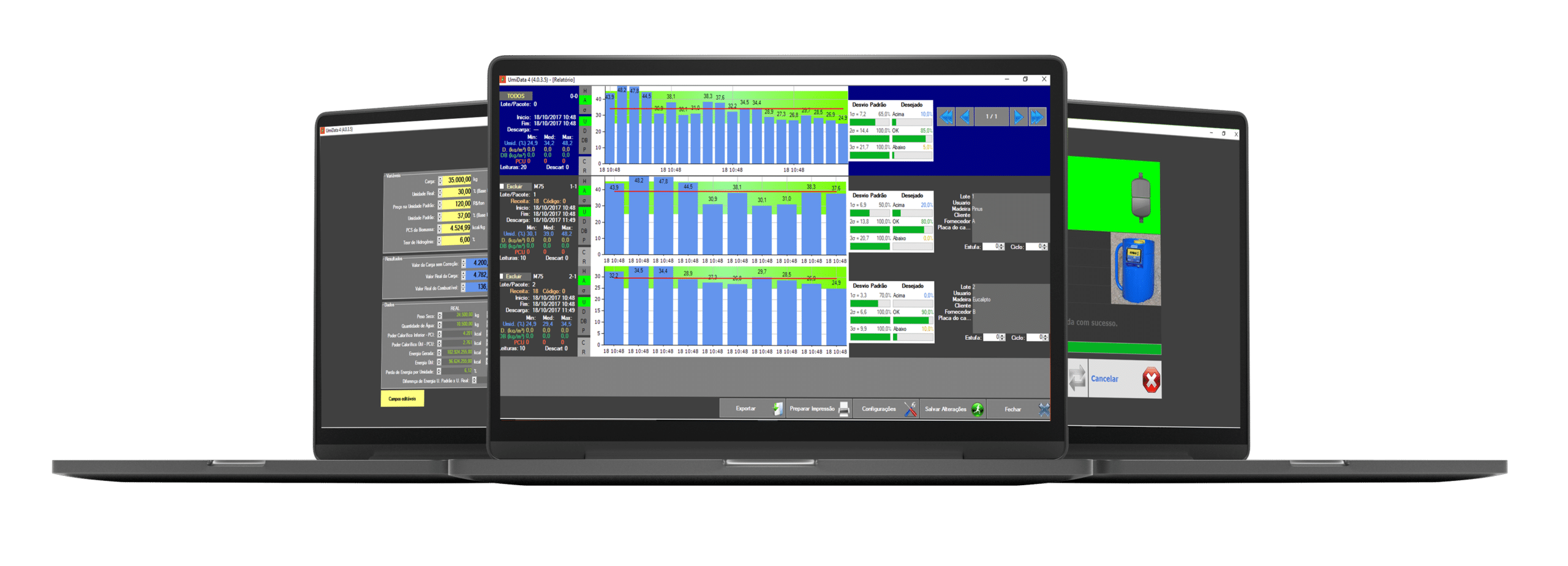
Besides accurate readings, modern moisture meters offer advanced data management. They can store and log measurement information over time, making it possible to track biomass behavior at different stages and make decisions based on hard data, supporting continuous process improvement and higher productivity.
Conclusion
In short, a biomass moisture meter is essential to make the most of this valuable, sustainable resource. With accuracy, fast readings, energy efficiency and data management, these devices allow precise analysis of biomass moisture, simplify quality control and maximize process efficiency. By investing in a biomass moisture meter, companies can achieve more efficient, sustainable and economically viable production.
Want to apply this in your plant?
Talk to a Marrari specialist on WhatsApp or see the right solution for your process.