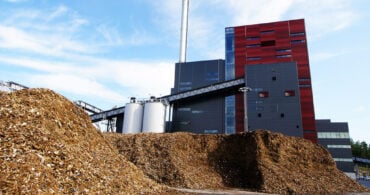

Biomass is gaining ground as a fuel for industrial boilers because it is renewable and can help reduce greenhouse gas emissions. Using biomass efficiently, however, is key to getting the most out of its economic and environmental benefits. Optimizing and saving biomass fuel involves several strategies, from choosing the right fuel to implementing advanced automation systems. This article discusses the common challenges of using biomass in industrial boilers and presents effective ways to optimize fuel consumption.
1. Understanding biomass and its challenges
Biomass is a broad term for organic materials used as fuel. The most common types include wood, agricultural residues and pellets. Each type has different characteristics, such as moisture content, energy density and chemical composition, that directly affect combustion efficiency.
Common challenges
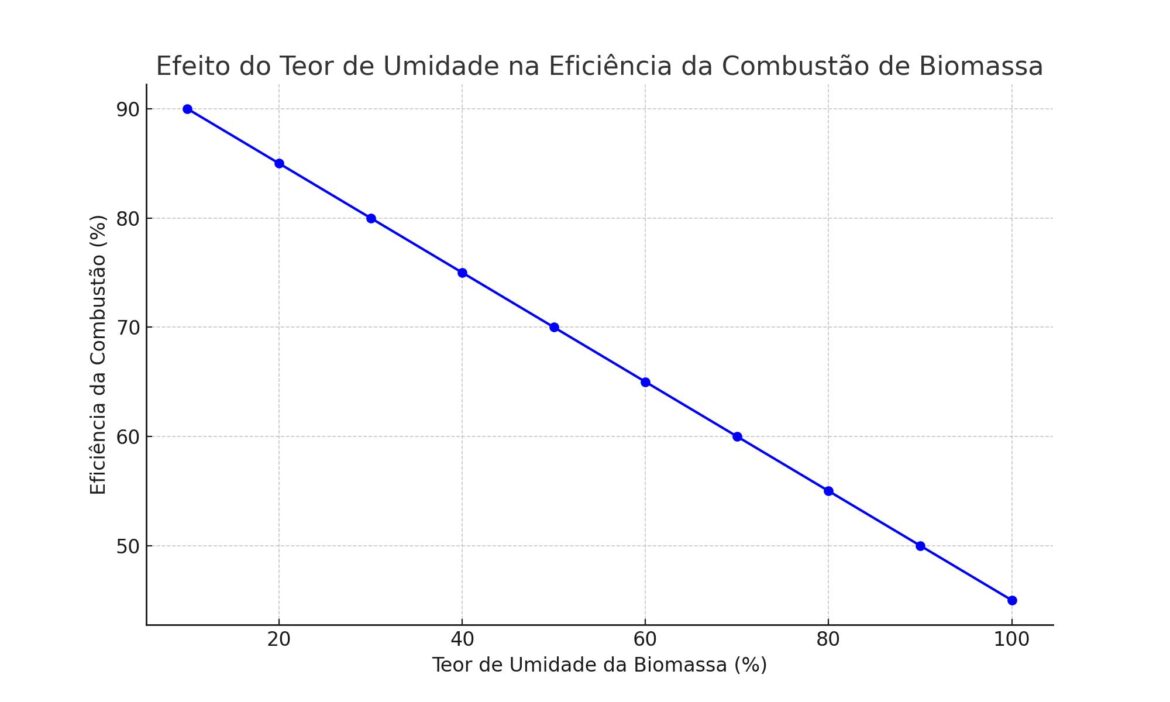
- Moisture content: high-moisture biomass needs more energy to burn, lowering overall efficiency. Boilers burning wet biomass often suffer from soot, fouling and higher pollutant emissions.
- Variable composition: different types of biomass have different chemical compositions, which affect combustion temperature and gas production. Variable fuel quality leads to inconsistent combustion and frequent process adjustments.
- Feed control: inconsistent biomass feed causes swings in temperature and steam pressure, leading to operational inefficiency and excess fuel use.
2. Strategies to optimize and save biomass fuel
Optimizing and saving biomass fuel starts with choosing the right type of biomass and continues with technology that ensures efficient, controlled combustion.
2.1 Biomass selection and preparation
The choice of biomass should take into account availability, cost and characteristics such as energy density and moisture content. Processes like drying and chipping are essential to prepare the biomass and raise combustion efficiency.
- Biomass drying: removing moisture before combustion is one of the most effective ways to improve efficiency. Dry biomass burns faster and with lower pollutant emissions. Moisture measurement systems help monitor and control moisture content during storage and processing.
2.2 Controlled combustion and efficiency
To optimize and save fuel, boiler operating conditions such as fuel feed rate, flame temperature and air-to-fuel ratio must be tightly controlled.
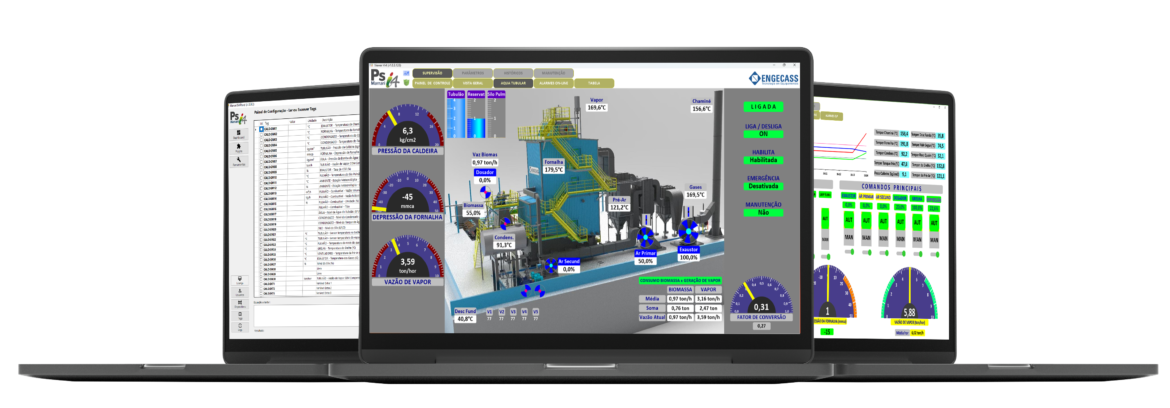
- Combustion automation: automation plays a vital role in optimizing biomass combustion. Advanced control systems automatically adjust operating parameters to keep combustion ideal, responding to changes in biomass quality and load demand.
3. Automation and monitoring: solutions for energy efficiency
Advances in industrial automation allow more precise, efficient control of combustion in biomass boilers. Integrating control and monitoring systems can significantly cut fuel consumption and pollutant emissions.
3.1 Advanced control systems
Modern automation systems use advanced control algorithms to optimize boiler operation. They continuously monitor combustion conditions and adjust operating parameters in real time to maintain efficiency.
- Feed and combustion control: a good example is the use of sensors that measure biomass moisture and flow. Controllers use this data to adjust air and fuel, ensuring complete, efficient combustion.
3.2 Continuous monitoring and feedback
Continuous monitoring of operating conditions is essential for maintaining efficiency and catching problems early. Systems with temperature, pressure and moisture sensors provide real-time feedback for immediate adjustments.
- Moisture and temperature sensors: accurate sensors allow constant monitoring of biomass and combustion conditions, quickly flagging any deviation so the boiler stays efficient.
See one of the most advanced monitoring systems, EcoSteam (video in Portuguese):

4. Illustrative example: implementing advanced solutions
Consider a common scenario at an industrial plant that burns biomass. The plant has recurring efficiency problems caused by variations in fuel quality and moisture. Implementing an advanced automation system brought significant improvement.
4.1 Challenges
- Variations in biomass moisture, causing inconsistent combustion.
- Irregular fuel feed, causing swings in steam pressure and temperature.
4.2 Solutions implemented
- Boiler automation: an automated control system such as EcoSteam continuously adjusted biomass feed and air-to-fuel ratio for more efficient combustion.
- Moisture sensors: accurate moisture sensors in the feed line helped keep biomass moisture within ideal limits.
4.3 Results
- Lower biomass consumption (about 15% in this example) thanks to optimized combustion.
- Greater boiler stability, with fewer swings in steam pressure and temperature.
Conclusion
Optimizing and saving biomass fuel in industrial boilers is a complex task that calls for a multi-pronged approach. From proper biomass selection and preparation to advanced automation and monitoring, every step matters for maximizing efficiency and cutting operating costs. Modern technology can transform how plants use biomass, making operations more sustainable and economical.
Get a free biomass assessment and save fuel
Marrari offers a free assessment for companies that generate power and steam from biomass, showing how to use it as efficiently and economically as possible, with solutions, methods and ideas to improve your process.
Want to apply this in your plant?
Talk to a Marrari specialist on WhatsApp to book your assessment or see the right solution for your process.