
In industrial infrastructure, the search for operational efficiency and precise control never stops. Integrating advanced technologies plays a key role in optimizing processes and reducing negative environmental impact. Combining an in-line volume meter with a belt scale is a significant step forward, bringing together the data needed for complete, solid management of operations.
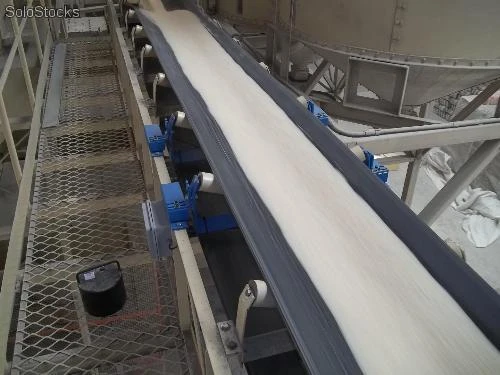
Belt scales: fundamentals and applications
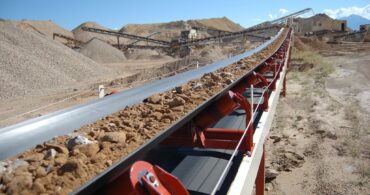
Belt scales are widely used in industrial automation to measure the weight of material moving along production lines. They are especially common in mining, metallurgy and agribusiness, where accurate mass measurement is crucial for process control and product quality.
The challenge: beyond weight, volume matters
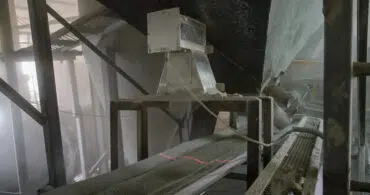
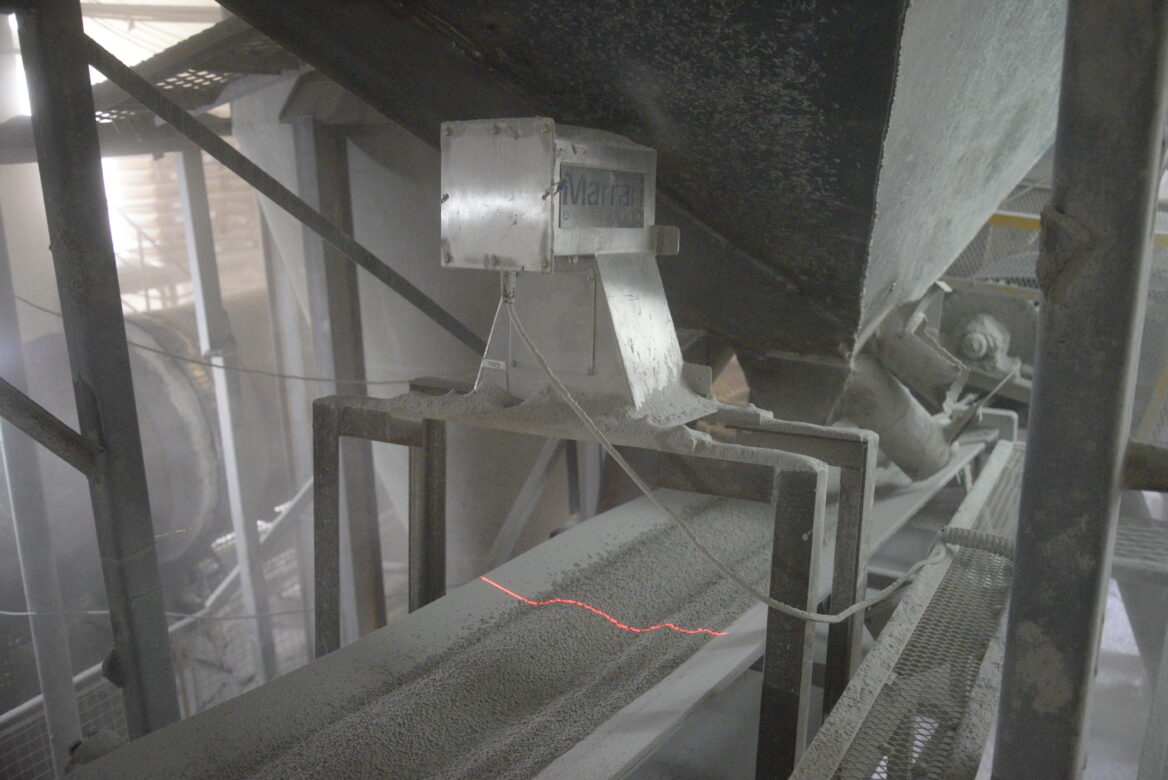
Weight alone, however, is sometimes not enough. Knowing the volume and flow of the material conveyed is just as essential for complete, effective management. That is why integrating an in-line volume meter, such as Marrari’s Volume X, with the belt scale is so important for comprehensive, precise control of operations.
Integration advantages: accuracy and efficiency
Measurement accuracy: combining the volume meter with the belt scale provides accurate volume and weight data, resulting in more precise measurement of conveyed material. With the scale’s weight and the laser’s volume, Volume X calculates the material’s bulk density in real time, and that density can be corrected for moisture.
Better process control: with accurate volume and weight data, the whole conveying process can be monitored, ensuring material moves correctly along the line and avoiding waste.
Real-time monitoring: integration allows continuous tracking of material volume and weight, enabling immediate adjustments to optimize production flow.
Early problem detection: analyzing volume and weight together makes it easier to spot issues such as belt blockages, excessive wear or changes in material density, so they can be corrected before they affect production.
Resource optimization: accurate volume and weight data helps optimize resource use, reducing waste and operating costs while supporting sustainability.
Video (in Portuguese):

Final thoughts
Integrating an in-line volume meter such as Marrari’s Volume X with a belt scale is essential for companies committed to operational efficiency and sustainability. By combining measurement accuracy, better process control and resource optimization, this pairing is an indispensable ally for more responsible industrial practices.
When looking for industrial automation solutions, it pays to consider a complete integration that covers accurate volume and weight measurement. Marrari offers Volume X as an effective answer to this need, bringing greater productivity, safety and environmental responsibility.
Want to apply this in your plant?
Talk to a Marrari specialist on WhatsApp or see the right solution for your process.