Peanut moisture plays a crucial role at every stage of production, from harvest to storage and sale. Poor control can lead to significant financial losses, product deterioration and even consumer health risks from mold and aflatoxins. In this article, we look at how and why to measure peanut moisture and how that control affects product quality and value.
Why moisture measurement matters at harvest
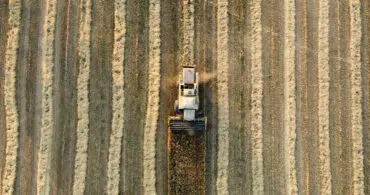
After digging, peanuts dry in windrows in the field and should be picked up once they reach the right moisture content, usually between 18% and 25%. Harvested too wet, they are more prone to mold and aflatoxins. Too dry, and they can lose weight and break, directly hurting profitability.
How do you measure peanut moisture at harvest?
In the field, moisture can be checked with samples and portable meters. For the next stages, drying and storage, Marrari’s in-line moisture meter UmiGrain provides accurate, instant readings directly on the drying and storage line. This helps growers avoid losses and deliver a higher-quality product.
Moisture control in drying: efficiency and savings
After harvest, peanuts must be dried to bring moisture down to safe storage levels of 7% to 10%. This step is essential to prevent aflatoxins, toxins that are highly harmful to human health and can jeopardize sales.
Biomass in peanut drying
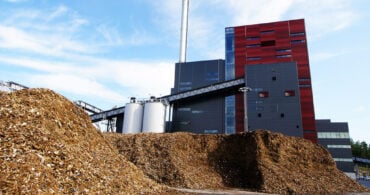
Most peanut dryers use biomass as their heat source. To ensure energy efficiency and avoid wasting fuel, the moisture of that biomass must be controlled. This is where Marrari’s M75 comes in: a portable biomass and granulates moisture meter for checking the biomass that fuels the dryers.
With the right measurements, biomass consumption can be optimized, cutting operating costs and improving dryer performance.
Chart 1: Impact of moisture control on drying
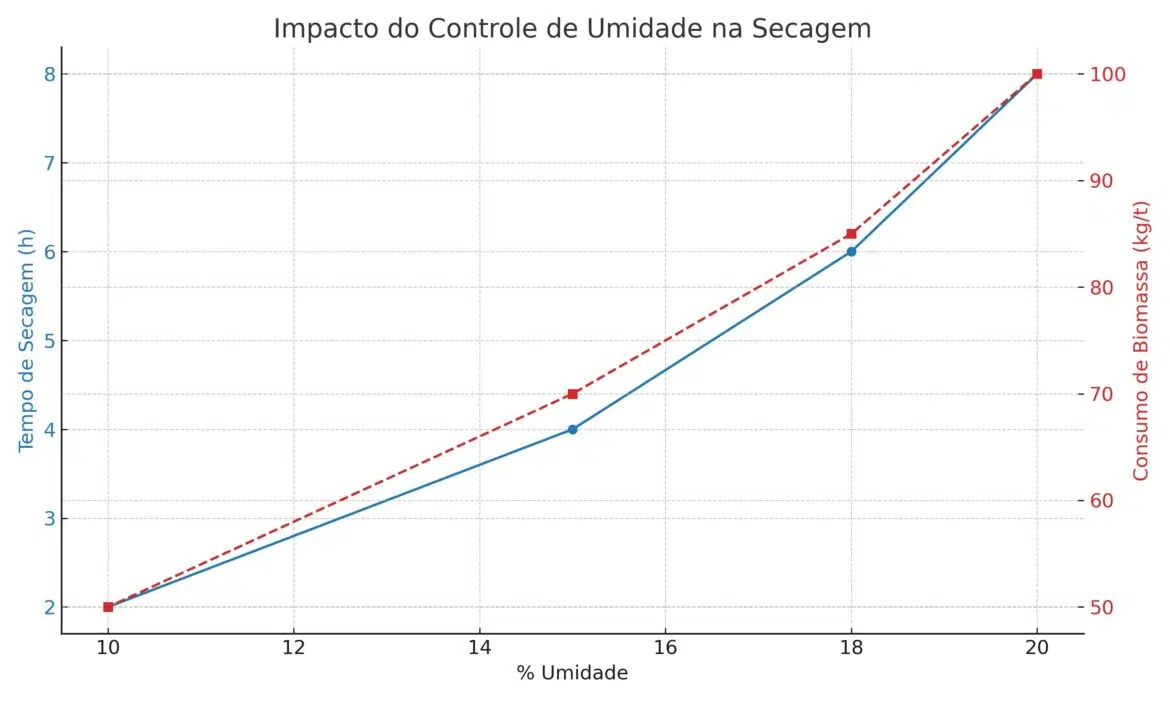
As the chart shows, better control of peanut moisture before drying can significantly reduce drying time and biomass consumption, directly lowering production costs.
Moisture measurement in storage: preserving quality
Poor storage can compromise an entire peanut crop, causing financial losses and product deterioration. The ideal moisture level for safe storage is between 7% and 9%. Above that there is a risk of mold; below it, kernels can lose weight and quality.
How do you measure peanut moisture in storage?
UmiGrain continuously monitors peanut moisture in the flow into and out of the dryer and silos, keeping it within the ideal range. This prevents losses and preserves product quality until sale.
Chart 2: Moisture and the risk of mold contamination
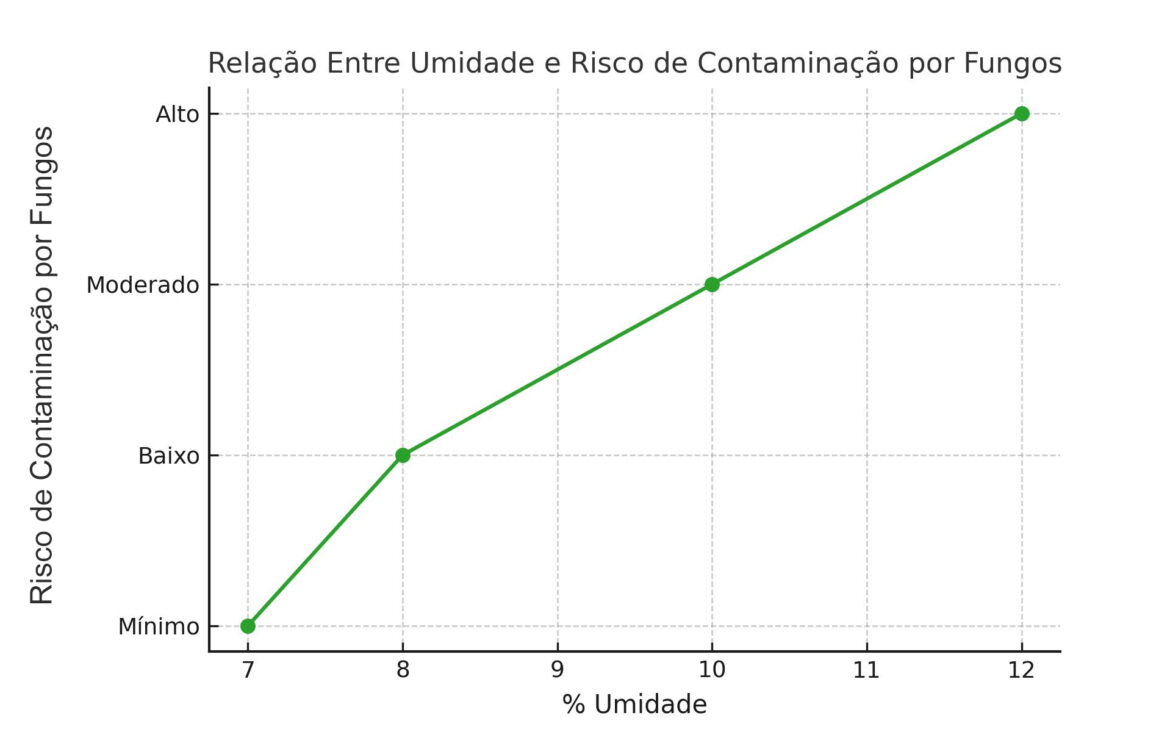
This strict control is essential for cooperatives and growers to deliver quality peanuts and stay competitive.
Financial and crop benefits
Accurate peanut moisture measurement directly affects crop profitability and final product quality. Key benefits include:
- Fewer losses: avoiding storage at the wrong moisture minimizes the risk of spoilage and rejected product.
- Better sales: peanuts with controlled moisture are more readily accepted, fetch better prices and face fewer moisture discounts.
- Optimized transport: dry kernels weigh less, reducing logistics costs.
- Energy savings: with dryer biomass controlled using the M75, fuel consumption drops significantly, lowering operating costs.
- Higher final quality: properly stored peanuts keep better flavor, texture and shelf life, strengthening the grower’s position.
Investing in moisture meters such as UmiGrain and the M75 not only prevents losses but adds value to production, making the crop more profitable and sustainable.
Conclusion
Measuring and controlling peanut moisture is decisive for ensuring quality, avoiding losses and optimizing harvest, drying and storage. Marrari tools such as UmiGrain and the M75 play an essential role, delivering precision and efficiency at every stage.
Whether the goal is to maximize profitability, cut energy costs or prevent contamination, the answer to “how and why should you measure peanut moisture?” lies in technology and automation. With the right equipment, growers and cooperatives can achieve better results and a higher-quality product.
Click below to see all Marrari solutions for the grain and seed market:
Want to apply this in your plant?
Talk to a Marrari specialist on WhatsApp or see the right solution for your process.