Industrial control is extremely important in production: it helps maintain quality and reduce costs during and at the end of each process.
What is industrial control
Before looking at why it matters, let us see what it is: industrial control is any action taken to measure variables, determine correction signals and apply adjustments, improving the efficiency and quality of the production line. It is carried out by controllers responsible for part or all of a process.

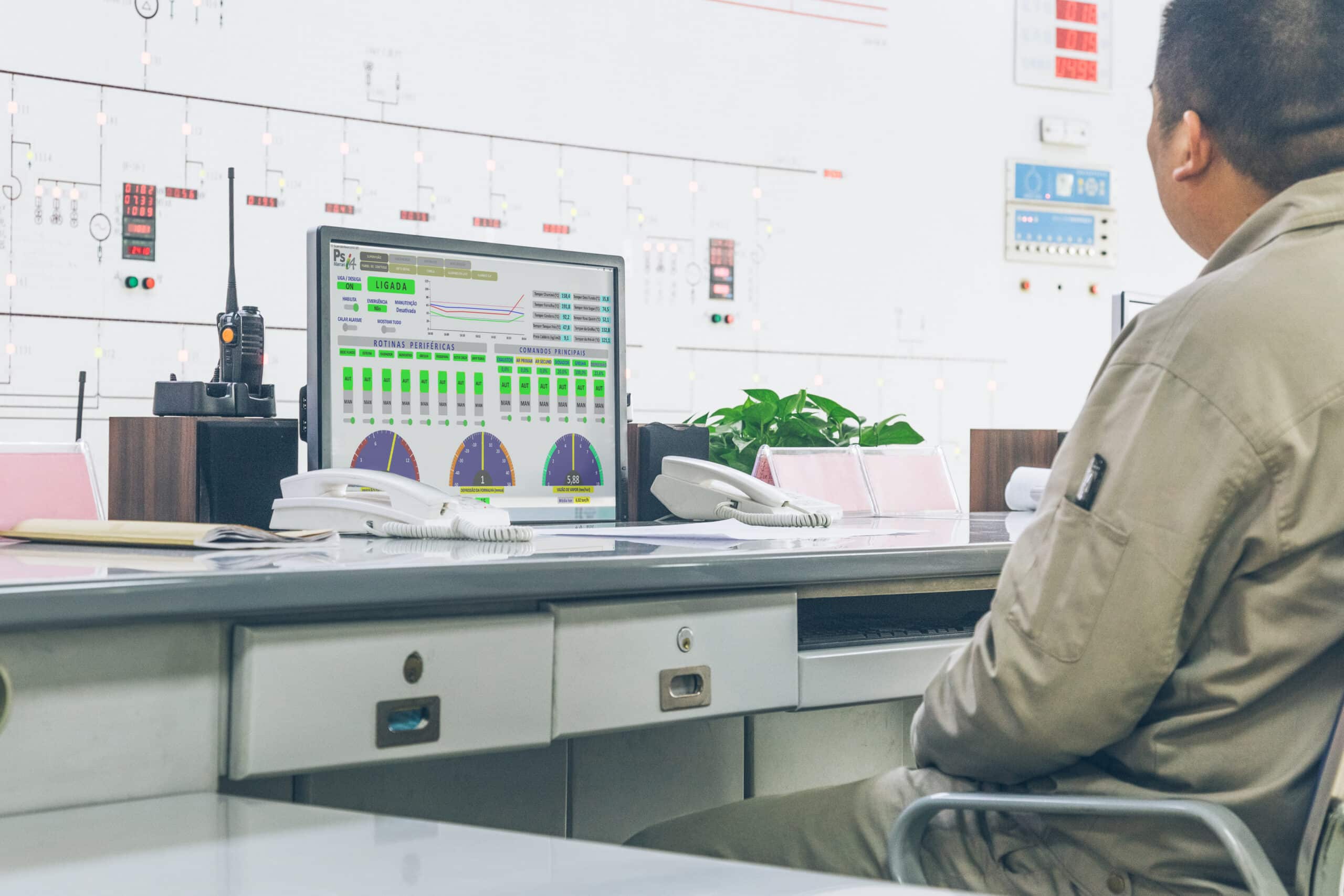
Industrial control is made up of specialized, often customized systems that check flow, outputs and continuous production actions based on feedback from sensors and data monitoring equipment, such as SCADA (Supervisory Control and Data Acquisition) systems.
Why industrial control matters
With advances in technology and Industry 4.0, complex systems are now available whose main purpose is to keep the process under efficient control, whether level, volume, weight, density or other variables, controlling multiple devices, including remotely. With efficient measurement, the result is higher production yield with fewer process interruptions.
Besides the efficiency it brings to the process, keeping final product quality consistent, control also helps reduce production costs and improve workplace safety.
One example is the accidental overflow of an acid tank due to inaccurate measurement, which can cause accidents, environmental damage and losses.
With industrial control, a company prevents overflows, detects leaks and avoids fires. All of this is important for the plant to comply with environmental regulations and protect its whole team.
Marrari has the solution to help you and your company: PSi4, our industrial SCADA supervision system, which gives you full control over your plant and supports your process day to day. See Marrari’s software solutions.
Author: Mariana Batista, PSi4 team analyst
Want to apply this in your plant?
Talk to a Marrari specialist on WhatsApp or see the right solution for your process.