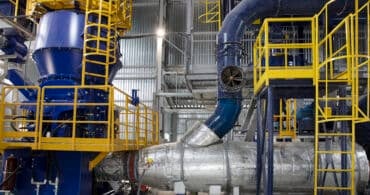

Energy efficiency is a growing concern today as we look to reduce energy consumption and environmental impact. In industrial sectors such as heat and steam generation, boilers play a crucial role. In this context, biomass-fired industrial boilers stand out as a sustainable, economically viable option. In this article we look at what energy efficiency means and how it applies to biomass boilers.
What is energy efficiency?
Energy efficiency is the ratio between the energy put into a system and the useful energy obtained from it. In other words, it is the ability to use as little energy as possible to perform a given task. Improving energy efficiency benefits both companies and the environment by lowering operating costs and greenhouse gas emissions.

Biomass-fired industrial boilers
Biomass industrial boilers are a sustainable alternative to traditional fossil-fuel boilers. They use biomass residues such as rice husks, sawdust, sugarcane bagasse and wood as a renewable energy source. The biomass is burned to produce heat, which is turned into steam to drive machines and industrial processes. They are an environmentally sound and economical solution because they use renewable resources that would otherwise be discarded.

Maximizing energy efficiency in biomass boilers
Increasing the energy efficiency of biomass boilers is a priority for industries looking to cut operating costs and environmental impact. Here are some key measures:
- High-quality fuel: Using good-quality biomass with the right moisture content and uniform particle size is essential for efficient combustion. Lower-quality fuel increases consumption and reduces efficiency. See our portable biomass moisture measurement solutions or our in-line measurement solutions.
- Process control: Advanced control systems optimize biomass boiler operation. This includes accurate fuel flow measurement, proper air intake regulation and keeping combustion at the ideal temperature. For this kind of fine control, see the Volume X in-line volume meter and EcoSteam, our complete boiler automation system.
- Heat recovery: Heat recovery systems such as heat exchangers and economizers capture waste heat from exhaust gases and reuse it to preheat feedwater or other processes, increasing overall efficiency.
- Regular maintenance: Proper maintenance is crucial for boiler performance and service life. Regular cleaning of heat exchangers, checking control systems and inspecting for leaks are practices that should be adopted.

Benefits of energy efficiency in biomass boilers
Maximizing the energy efficiency of biomass boilers brings a range of benefits. Besides lowering operating costs through better energy use, it helps reduce greenhouse gas emissions. Companies committed to sustainability and efficiency also gain a competitive edge, as more and more customers and partners value these practices.
Conclusion
Energy efficiency is a crucial aspect of biomass industrial boilers. With measures such as using quality fuel, implementing advanced control systems and recovering waste heat, industries can achieve significant economic and environmental benefits. Biomass boilers are a promising option for producing heat and steam efficiently with lower environmental impact.
Want to apply this in your plant?
Talk to a Marrari specialist on WhatsApp or see the right solution for your process.