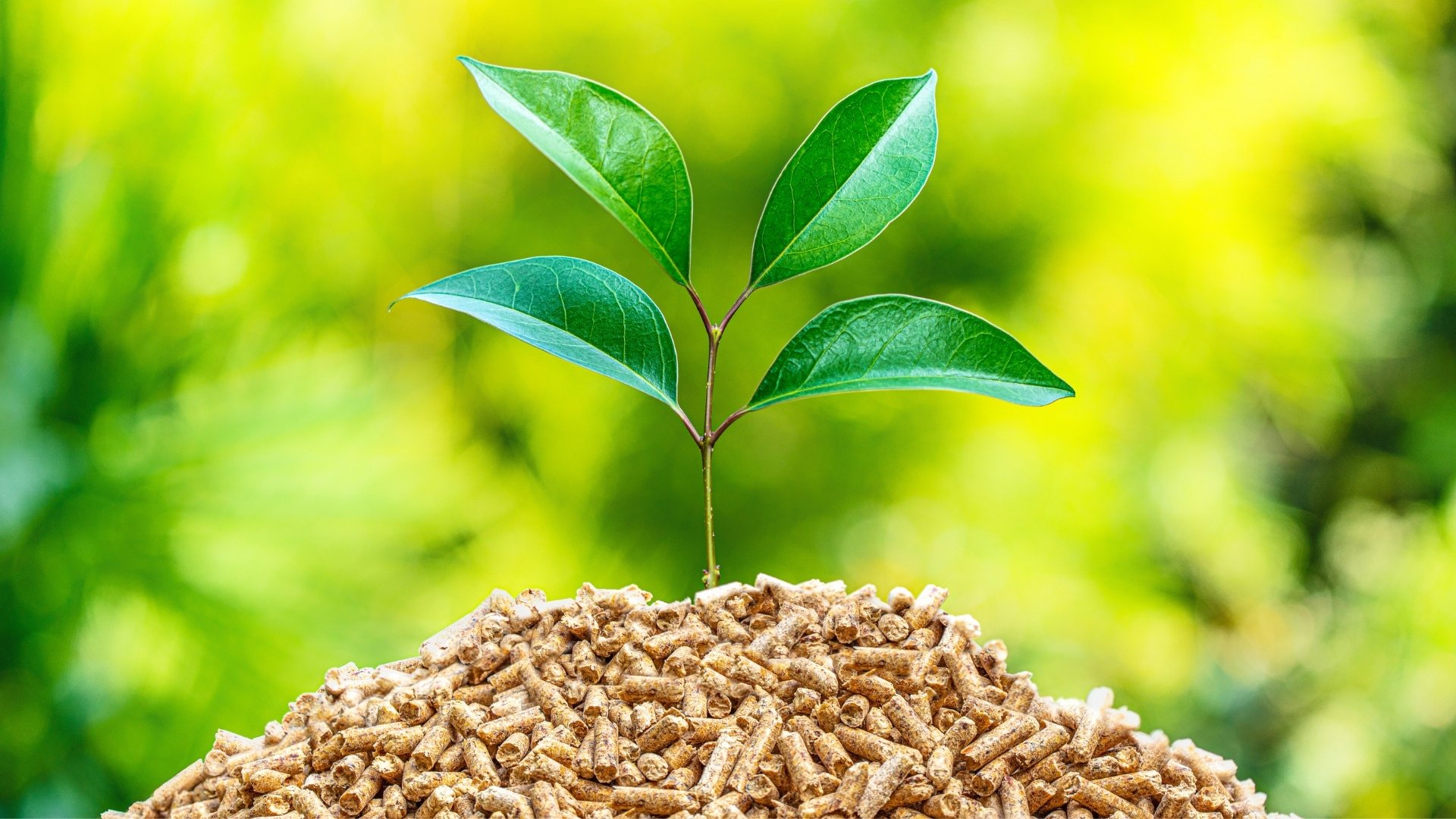
Biomass is one of today’s most versatile and promising renewable energy sources. It comes from organic materials, such as forestry, agricultural and urban residues and even algae, and can be converted into heat, electricity, biogas or liquid biofuels. That has made it a strategic option for replacing fossil fuels and advancing low-carbon industry.
But what are the types of biomass, and how do they differ?
Understanding this is essential for engineers, energy managers and industrial professionals looking to optimize boilers, cogeneration systems, dryers and thermal processes. Each type of biomass has its own properties, such as moisture content, density, calorific value and mineral composition, that directly affect a process’s performance and operating cost.
In this article you will learn about the main types of biomass used in industry, practical examples of their use, and their advantages and technical challenges. We will also see why classifying biomass correctly and monitoring moisture and density accurately are decisive for energy efficiency, combustion stability and sustainability at industrial scale.
What are the types of biomass?
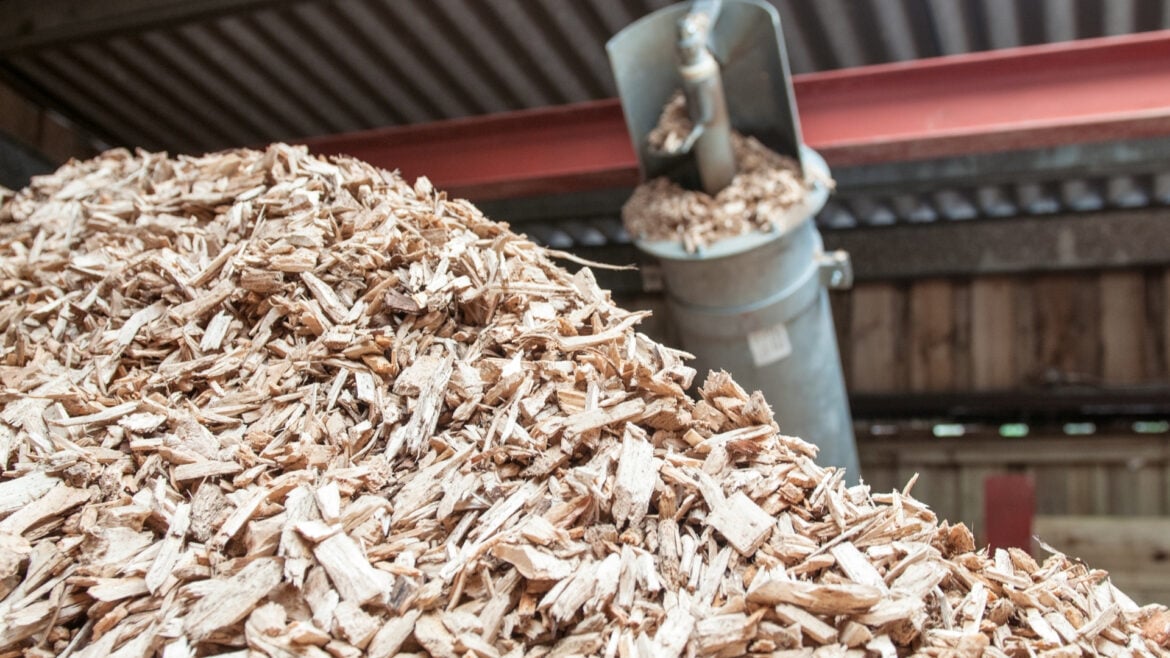
1. Forestry residues and by-products
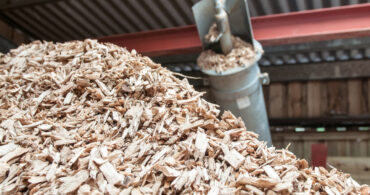
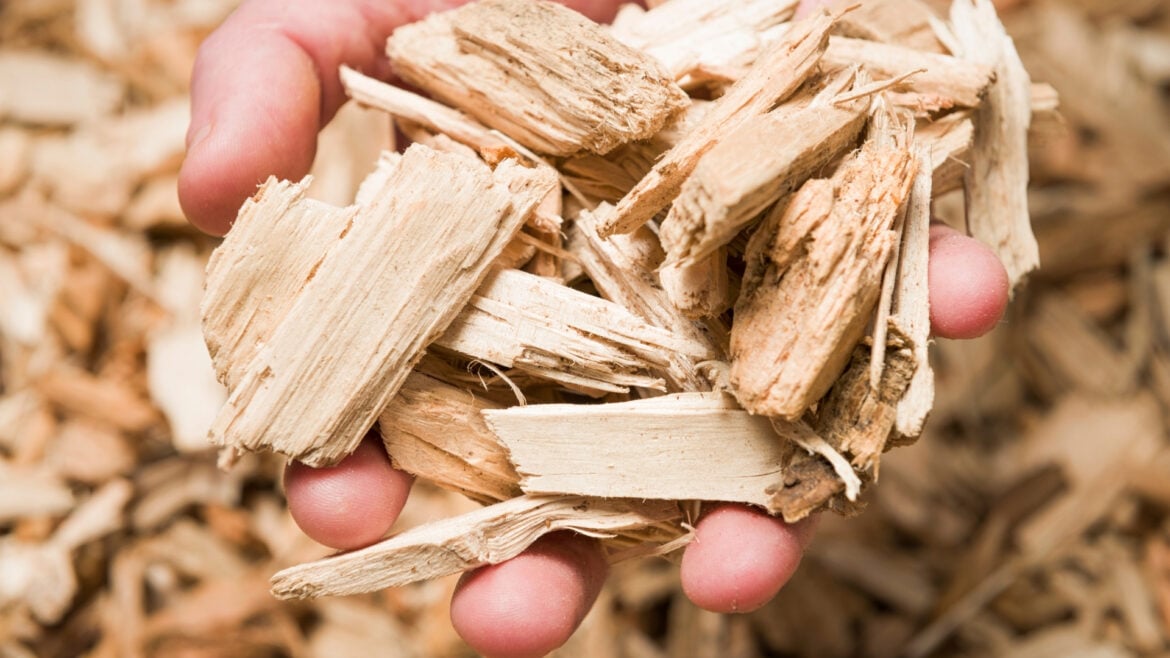
What it includes: branches, bark, sawdust, wood chips and sawing offcuts.
Characteristics: lignocellulosic material with low moisture content when dry, relatively high calorific value compared with agricultural residues and moderate variation in ash.
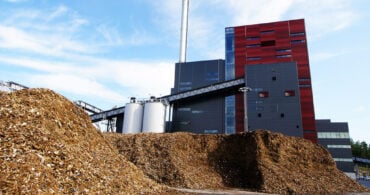
Industrial uses: boilers in the pulp and paper industry, panel mills (MDF/particleboard) that burn chips and sawdust to raise steam, and pellet production for sale.
Practical example: a sawmill that turns logs into boards typically burns sawdust and chips in its boiler to raise steam for drying, cutting gas or oil costs and getting rid of a by-product. (See “How industry uses each type” below.)
2. Agricultural residues
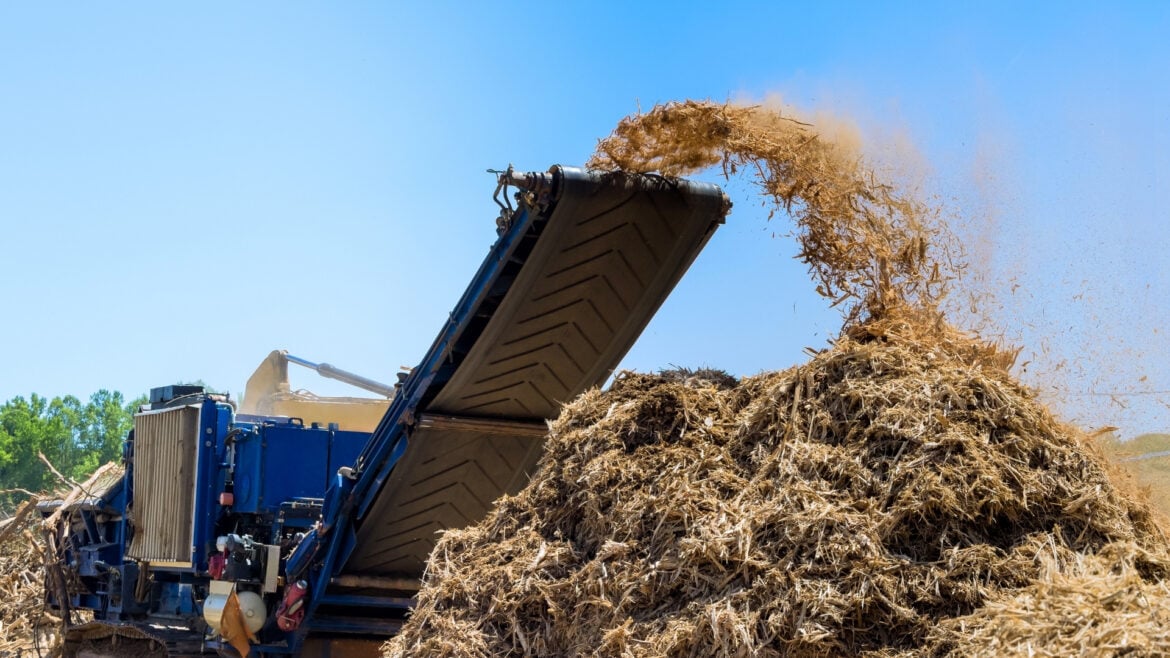
What it includes: rice straw, rice husk, sugarcane bagasse, wheat and corn straw, peanut shells and coffee husks.
Characteristics: wide variation in particle size and moisture; some, like rice husk, have a high silica content (which affects ash and abrasiveness).
Industrial uses: boilers at sugar and ethanol mills (bagasse), dryers at rice mills and distributed power generation in agro-industries.
Practical example: sugar and ethanol mills use bagasse as their main fuel to generate steam and electricity in cogeneration systems.
3. Dedicated energy crops
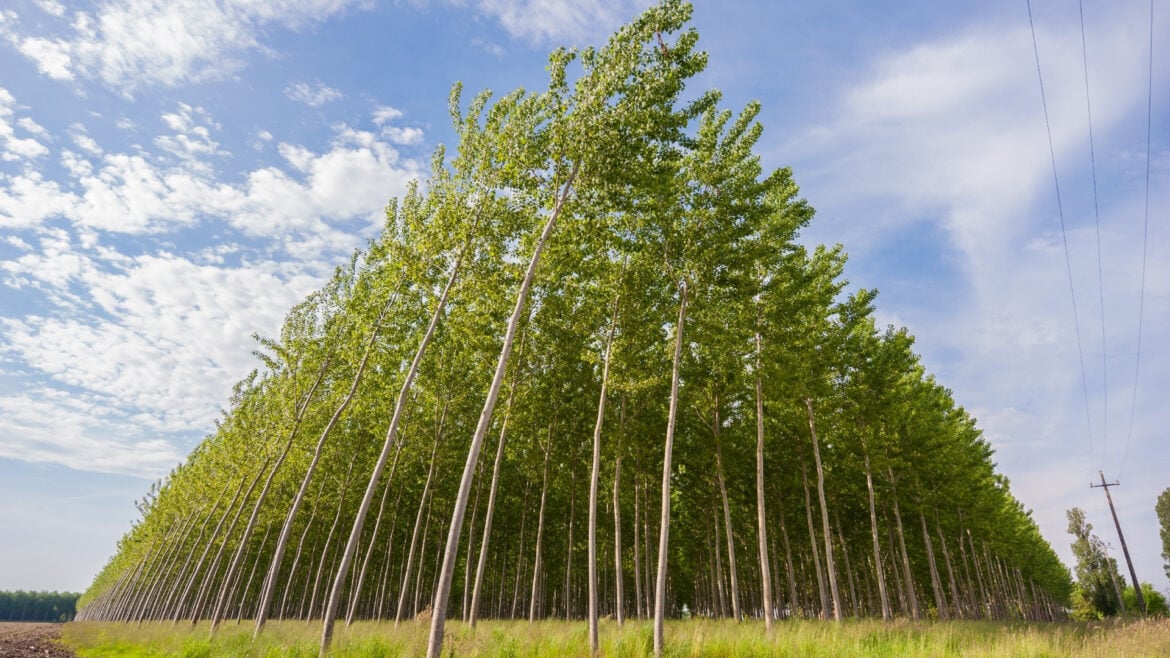
What it includes: fast-growing grasses (e.g. miscanthus and switchgrass) and eucalyptus or poplar planted for energy.
Characteristics: designed for high biomass yield per hectare; more uniform quality than residues; can be harvested on a planned schedule.
Industrial uses: steady supply for industrial boilers, pellets and feedstock for gasification and bio-oil production.
4. Wood processing residues
What it includes: sawdust, trimmings, MDF and plywood shavings, bark.
Characteristics: similar to forestry residues, usually with a particle size well suited to pelletizing and automatic boiler feeding.
Industrial uses: panel plants and joineries that run boilers or sell pellets and wood dust.
5. Municipal and industrial waste
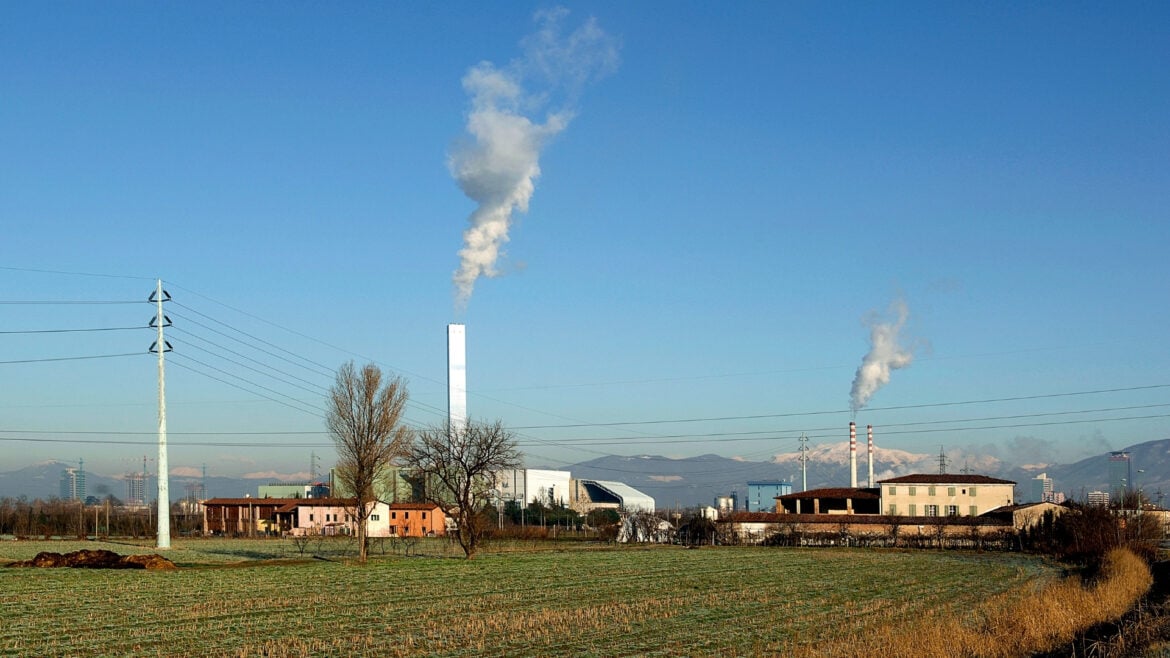
What it includes: the organic fraction of municipal solid waste, non-recyclable waste and food processing waste.
Characteristics: heterogeneous, requiring sorting and recovery; may need pre-treatment (drying, separation).
Industrial uses: waste-to-energy plants and co-firing in adapted industrial boilers.
6. Wet wastes, sludge and manure
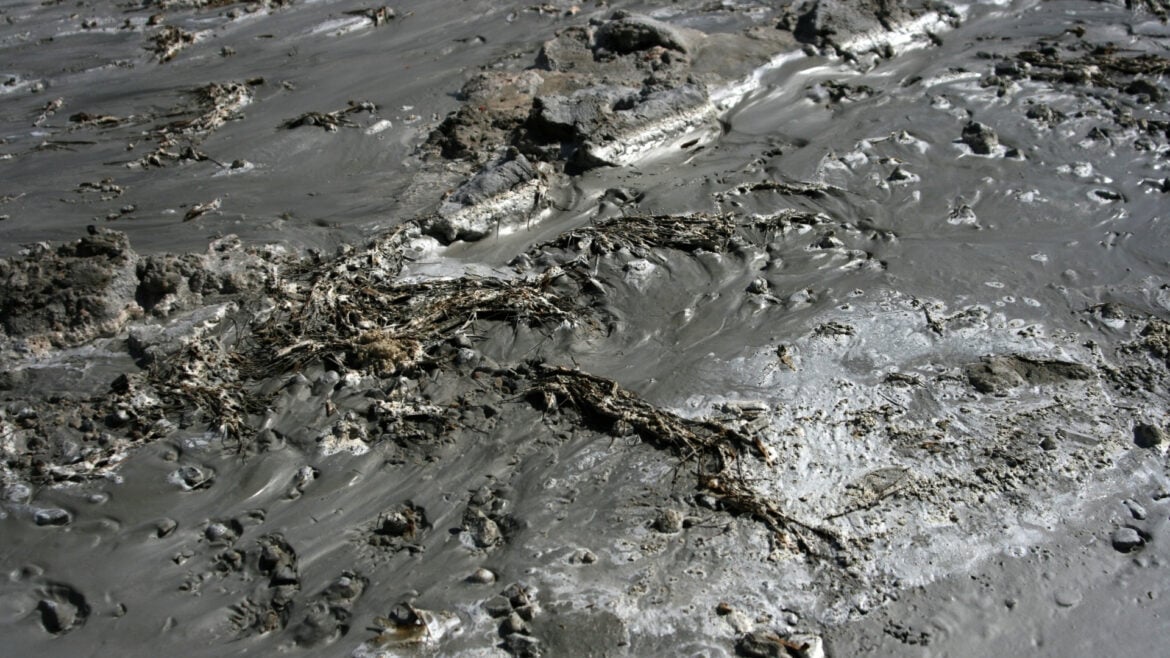
What it includes: animal manure, sewage treatment sludge and wet agri-food waste.
Characteristics: high moisture content, generally unsuitable for direct combustion without drying; ideal for anaerobic digestion and biogas (methane) production.
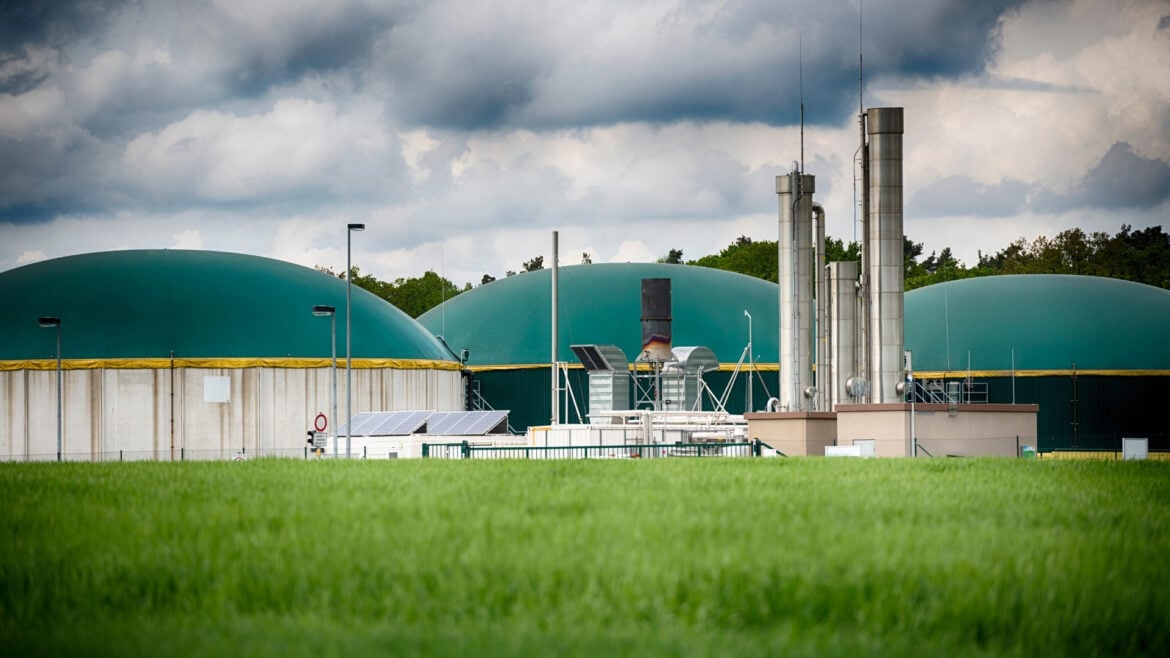
Industrial uses: digesters on farms and in the food industry producing biogas for boilers or combined heat and power (CHP) engines.
Practical example: pig farms with digesters turn manure into biogas for heating and electricity, cutting energy costs and emissions.
7. Algae and aquatic biomass
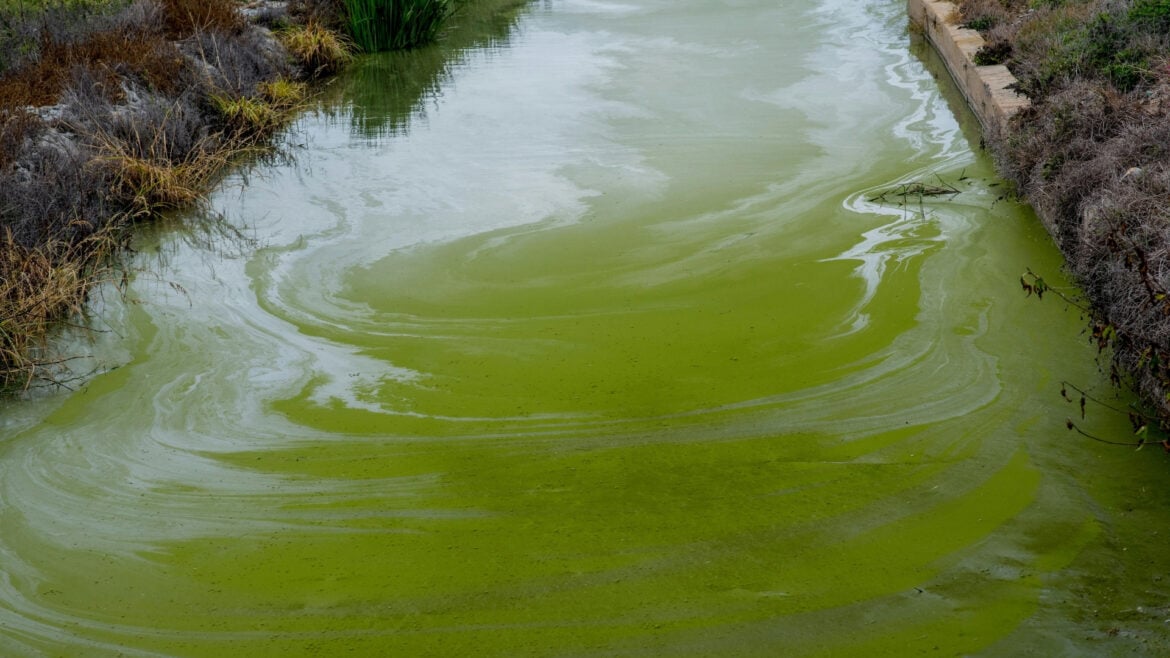
What it includes: microalgae and macroalgae grown for biofuels, biochemicals or as an energy additive.
Characteristics: high potential per unit area, with the ability to produce oils (for biodiesel) and biomass while using little arable land. Still in commercial development for many applications.
8. Liquid and gaseous biofuels
What it includes: ethanol, biodiesel, biomethane (upgraded biogas) and bio-oil (from pyrolysis).
Characteristics: products converted from biomass that can directly replace fossil fuels in transport or in processes that need liquids or gases.
Industrial uses: industrial fleets (ethanol and biodiesel) and on-site power generation with gas engines (biomethane).
How industry uses each type: practical examples
- Sawmills and MDF/particleboard plants: burn sawdust and chips in furnaces and boilers to dry wood and raise steam for pressing (e.g. heat for rotary dryers).
- Sugar and ethanol mills: bagasse feeds high-pressure boilers for turbine generators; surplus power can be exported to the local grid.
- Rice mills: rice husk as boiler fuel (watch the silica in the ash).
- Food plants and farms: digesters convert wet waste into biogas for tank heating and engines.
- Biomass cogeneration plants: burn a mix of forestry residues and energy crops to supply steam and electricity to industrial parks.
Advantages and challenges of biomass
Advantages
- Lower energy costs when the feedstock is a local by-product.
- Lower net CO₂ emissions than fossil fuels, provided it is managed sustainably.
- Waste management: turns liabilities (waste) into energy assets.
Challenges
- Variable quality (moisture, particle size, ash), which requires process control and suitable equipment.
- Logistics and seasonality, especially for agricultural residues.
- Environmental impact if biomass is not harvested sustainably (e.g. deforestation).
How to choose biomass for your boiler or process
- Assess local availability (supply radius, harvest, residue output). Local feedstock cuts transport and costs.
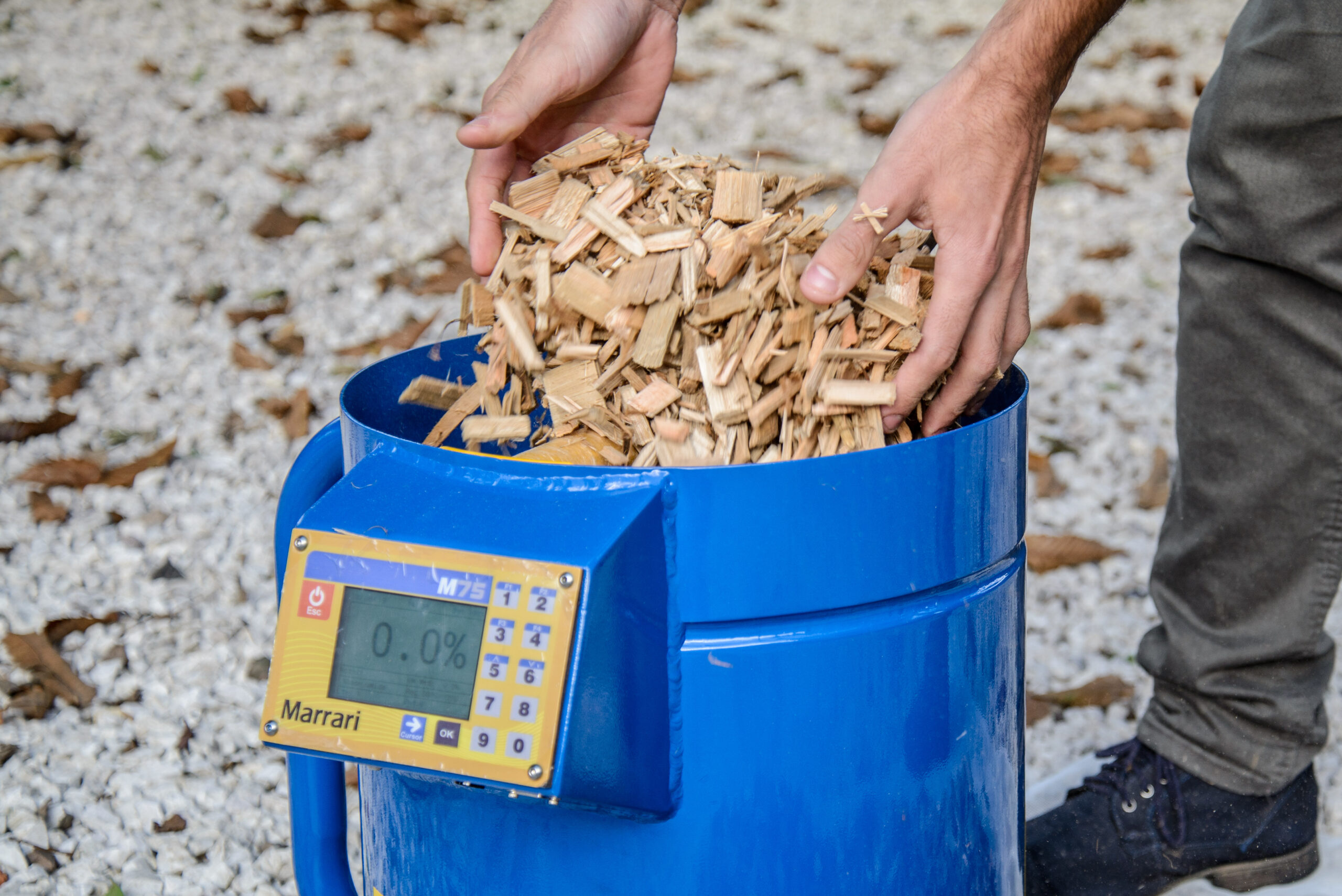
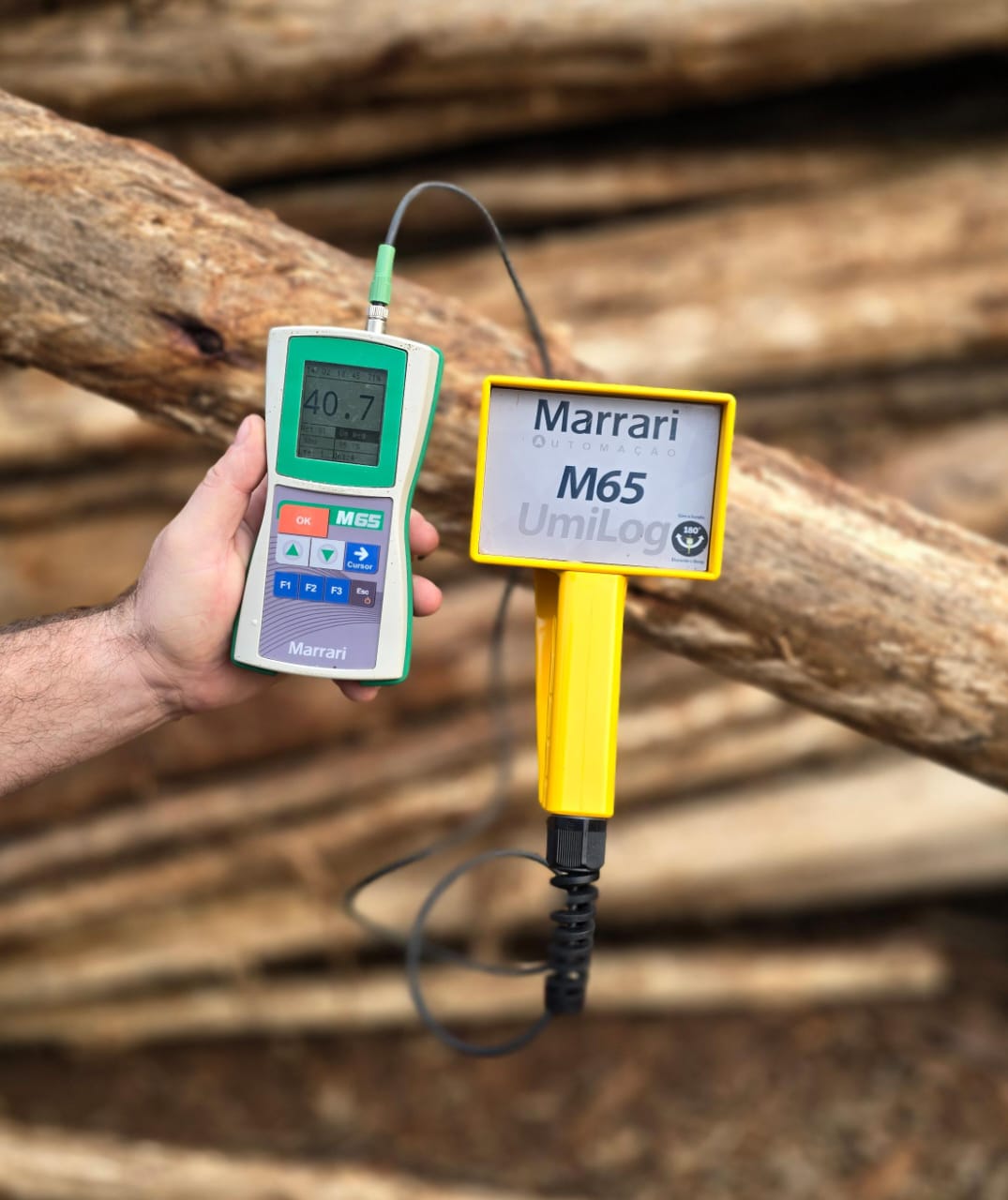
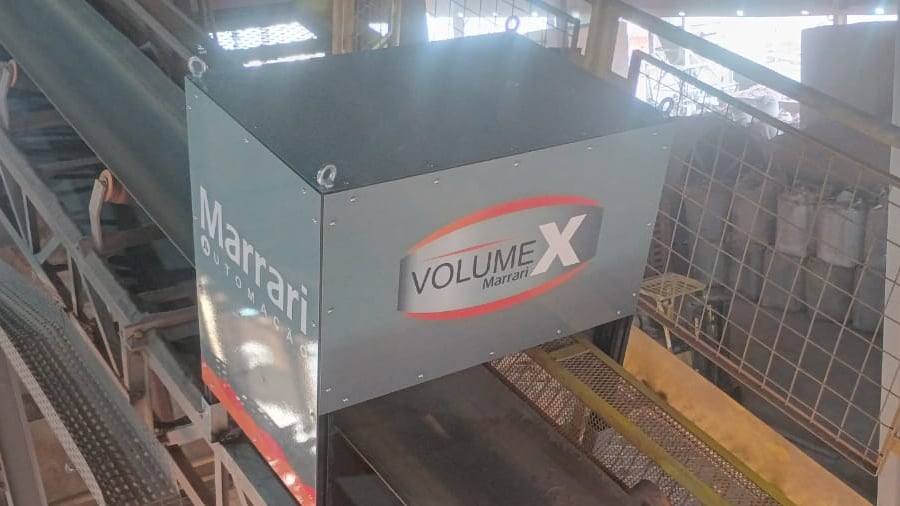
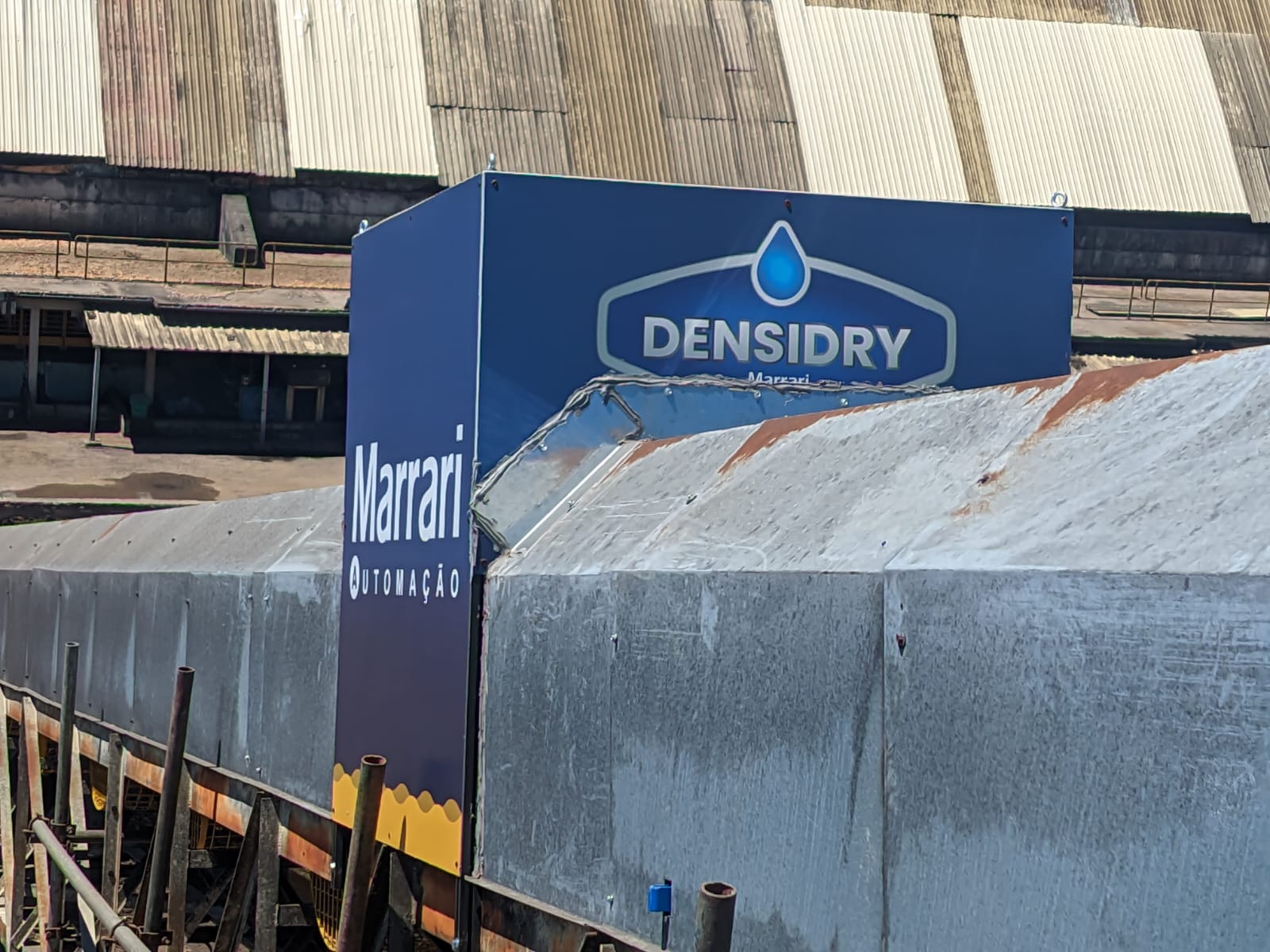
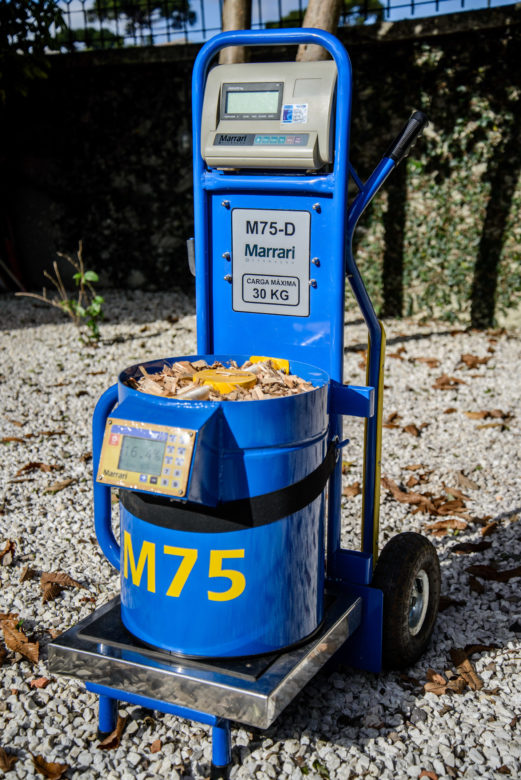
- Technical measurement: measure moisture (%), net calorific value (NCV), bulk density, particle size and ash content. Moisture and density measurement equipment makes an operational difference: continuous readings at the feed point reduce stoppages and optimize combustion.
- Blending: mixing types (e.g. wood and straw) can improve feed flow and combustion stability, but requires burner adjustments.
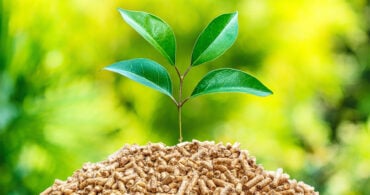
- Pre-treatment: drying, pelletizing or torrefaction can make biomass more uniform and better suited to transport and storage.

Best practices for running on biomass
- Continuous moisture monitoring on the feed conveyor and in the silo. High moisture lowers calorific value and can destabilize combustion.
- Ash management and cleaning to prevent fouling and erosion in heat exchangers.
- Secure supply: contracts with local suppliers and safety stock (consider compaction or pelletizing to save space).
- Environmental and sustainability assessment: avoid biomass linked to deforestation; prioritize residues and crops on marginal land.
Quick technical checklist for evaluating biomass
- Local availability (t/year)
- Average moisture (%) and seasonal variation
- Net calorific value (NCV) (kJ/kg or kcal/kg)
- Ash content (%) and mineral composition (e.g. silica)
- Bulk density (kg/m³), important for sizing belts and conveyors
- Particle size: compatibility with the boiler feeder
- Need for pre-processing (drying, pelletizing, torrefaction)
(For each item, record measurements under real operating conditions; continuous logging is recommended for historical analysis.)
Conclusion
There are many types of biomass, from forestry and agricultural residues to algae and urban waste, and each has characteristics that shape the choice of technology, operation and logistics. In industrial operations, measuring and controlling parameters such as moisture, density and particle size is critical. Prioritizing residues and sustainable practices maximizes economic and environmental benefits. Combining continuous measurement with technical feedstock selection can cut costs, raise efficiency and keep operations stable.
Want to apply this in your plant?
Talk to a Marrari specialist on WhatsApp or see the right solution for your process.
References
(The sources below support the definitions, categories, industrial examples and technical recommendations.)
- U.S. Energy Information Administration — Biomass explained. eia.gov
- U.S. Department of Energy, Office of Energy Efficiency & Renewable Energy — Biomass Resources / Bioenergy FAQ. energy.gov
- FAO — Agricultural and Forest Residues. fao.org
- IEA Bioenergy — Bioenergy, a sustainable and reliable energy source (executive summary). ieabioenergy.com
- U.S. EPA — Biomass Combined Heat and Power Catalog of Technologies. epa.gov
- Academic reviews of biomass resources and processing (ScienceDirect). sciencedirect.com
- Technical reports on residue availability and logistics (USEA). usea.org