
Industry 4.0 describes the technical connection between machines, systems and automation over the internet. By adding the smart factory concept to cyber-physical systems and the Internet of Things (IoT), reading field data has become a necessity, since this data can be captured and simulated and supports decisions in the real environment.
The term Industry 4.0 originated in Germany, in a project within the German government’s high-tech strategy presented at the Hannover fair in 2011, focused on connecting manufacturing machines over the internet to collect data. It also fits into the sequence of industrial revolutions, as shown below:
The industrial revolutions
- Industry 1.0 – Mechanization, looms and steam power – 1784
- Industry 2.0 – Mass production, assembly lines, electricity and combustion – 1870
- Industry 3.0 – Automation, robotics, computing, internet and electronics – 1969
- Industry 4.0 – Cyber-physical systems, IoT, networks and artificial intelligence – Today


The effects of Industry 4.0
With this new range of information coming from sensors, data hubs and machines, it became possible to map how this equipment behaves and to predict actions, maintenance and future production based on historical data.
This has brought many benefits to the industries that manage to apply this methodology and these technologies to their processes. Some of them are:
- Optimization: one of industry’s biggest problems today is downtime: the longer a machine is stopped, the more production is interrupted. This happens naturally with manual work, but automation and smart systems greatly reduce downtime.
- Real-time work: with data captured and stored in the company database, decisions can be made quickly and directly, which is difficult without the necessary data.
- Manufacturing flexibility: machines, robots and systems can be reconfigured according to demand or the product being made, so several models can be produced on the same line.
- Operational intelligence: through physical sensing of the environment, machines can self-diagnose, avoid breakdowns and late maintenance, and manage production in a synchronized way.
- Lower costs: fewer manual operations are needed. Real-time data storage in the cloud helps meet demand and speed up production.

Technologies used in Industry 4.0
For your process to benefit from all this, some changes, adaptations and a new mindset are needed, both on the shop floor and in management.
The process stops being driven only by production targets and becomes data-driven. To get there, new technologies need to be applied, such as:
- Cyber-physical systems (CPS): using physical signals from the environment and data collected over the network, decisions can be made and actions taken directly in the field.
- Big Data: data is stored in large volumes and at high speed. With software and computing power, it is possible to analyse and plan measurements that were previously impossible.
- Cloud computing: the delivery of computing resources such as processing, storage and software over the internet. It reduces the need for local infrastructure: you can simply contract a processing service and access it online.
- IoT: the Internet of Things is a way of connecting and controlling devices on a network (the internet). Billions of devices across all kinds of sectors are already connected.
- 3D printing: also known as additive manufacturing, a technique that allows a part to be prototyped very quickly. Models are designed in 3D and then printed by a machine that builds the object layer by layer, with no mould needed.
- Smart sensors: besides capturing physical signals such as light, pressure, force or presence, these devices can make decisions and change production parameters such as set point, data conversion and even field performance.
- Artificial intelligence: algorithms that can perform complex tasks usually associated with human intelligence.
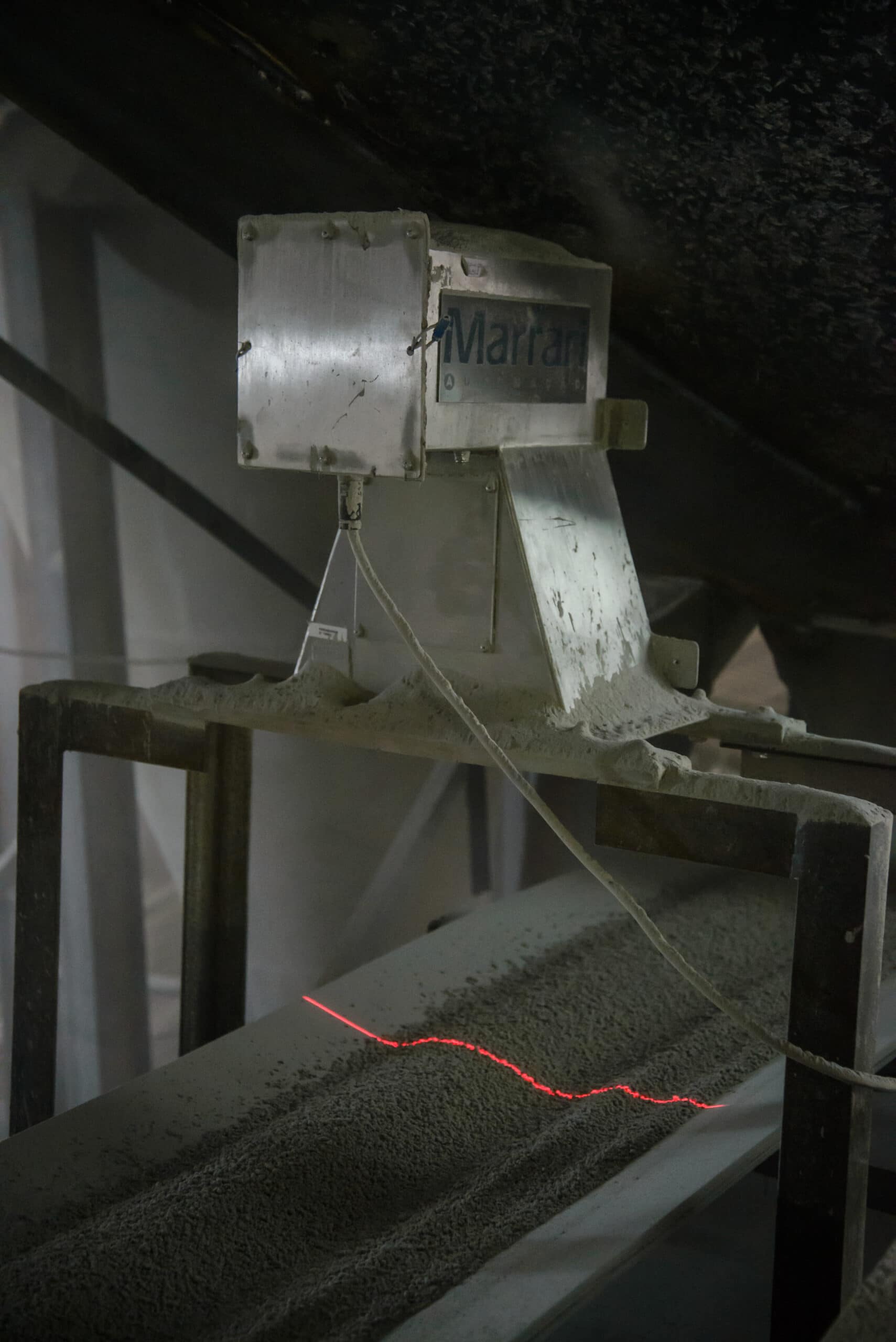
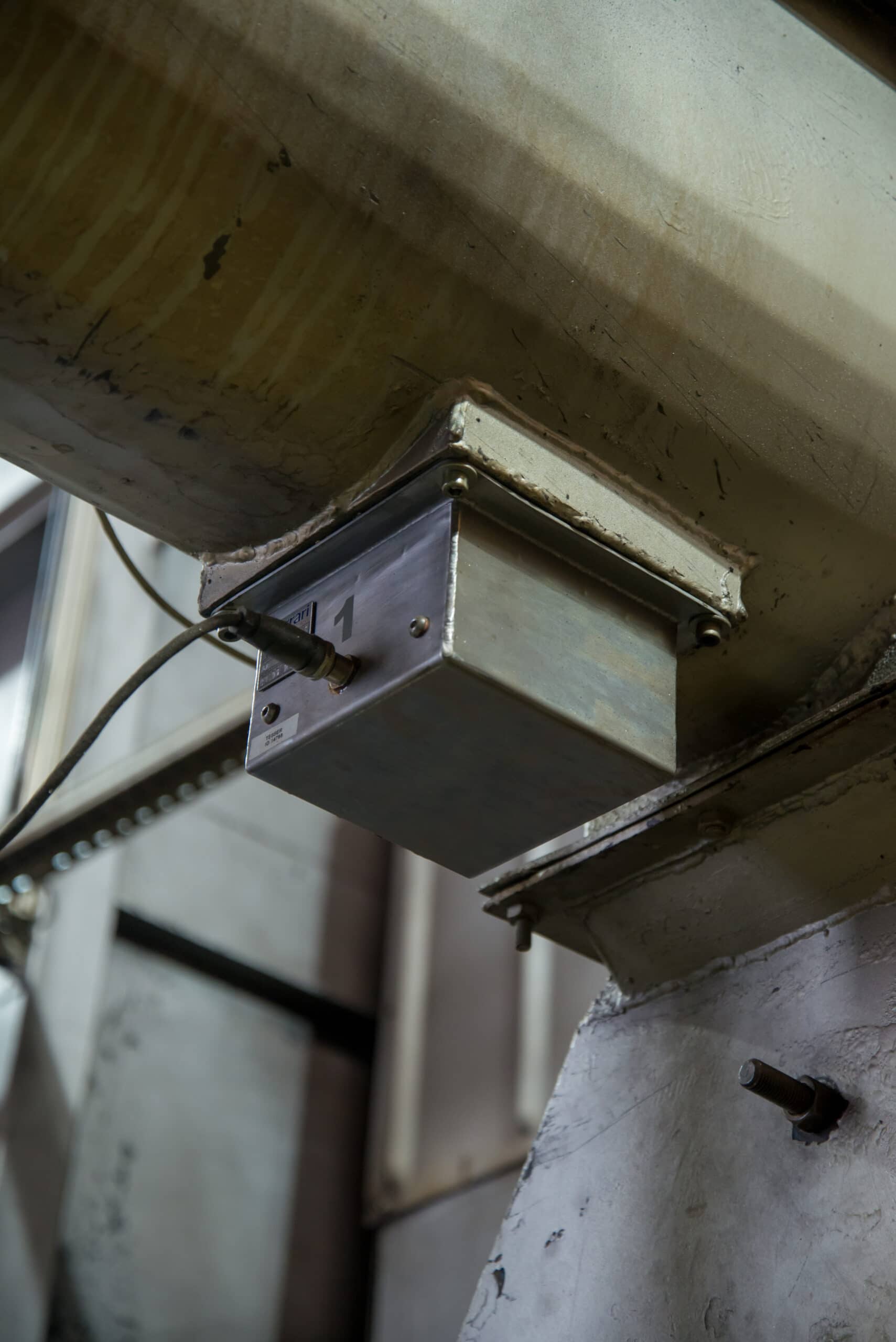
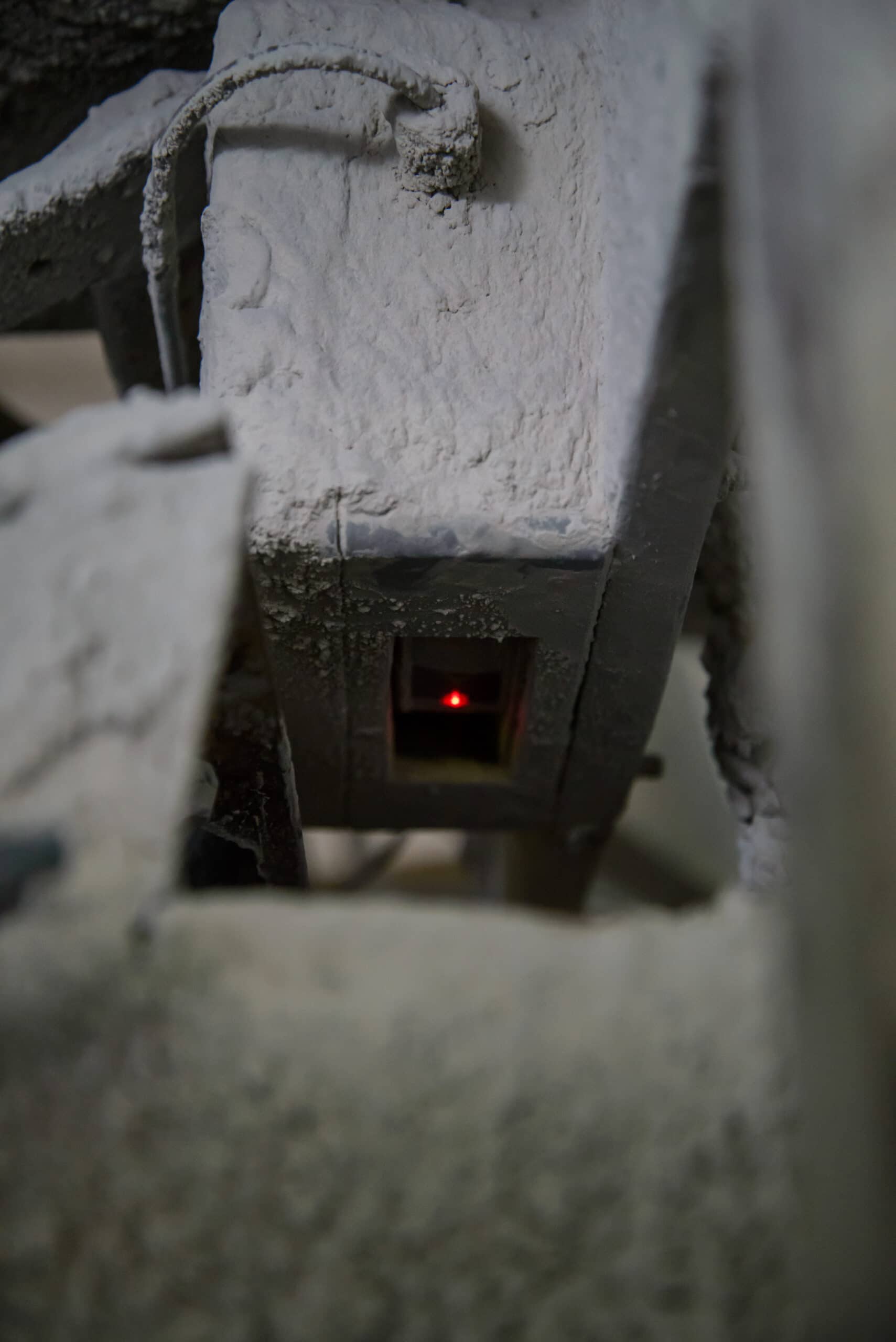
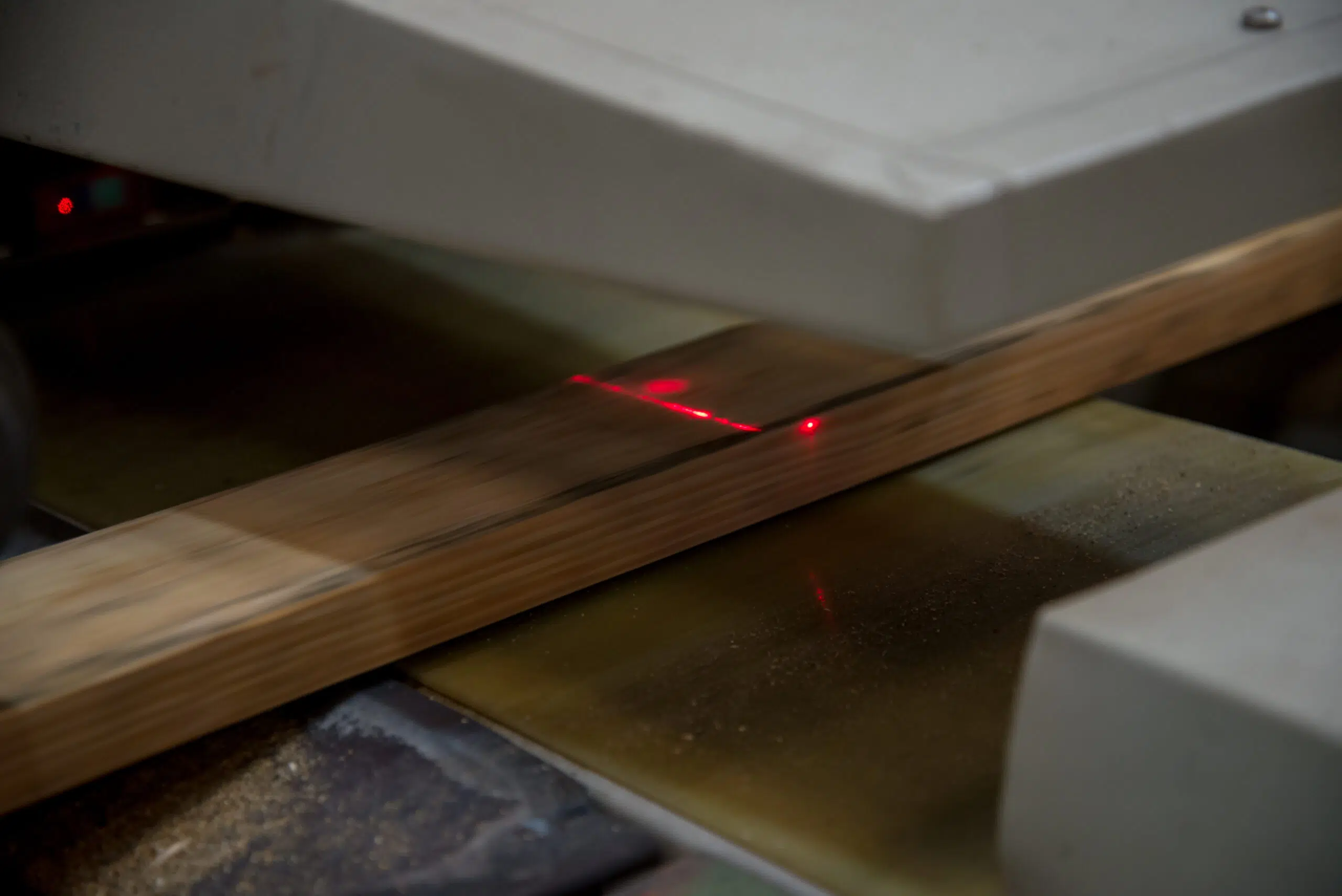
Here are some examples of sensors, lasers and meters that can be used to implement Industry 4.0 methodologies:

Marrari and Industry 4.0
Marrari is already part of this revolution. Our sensors, systems and meters integrate with SCADA systems, ERPs and data hubs, so their data can be used for correlation and decisions based on cross-referenced data.
This gives you a 360° view of everything happening in the plant, with sensors and systems that manage themselves based on data and present complete process dashboards.
That is why we developed our own SCADA system, where you can bring together all the Industry 4.0 technology you already have, or are introducing into your process, in a single supervision and automation system.
See Marrari’s software solutions.
Author: Mariana Batista, PSi4 team analyst
Want to apply this in your plant?
Talk to a Marrari specialist on WhatsApp or see the right solution for your process.