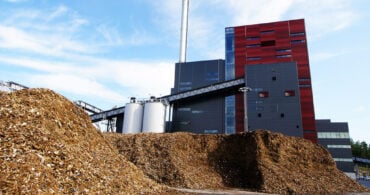
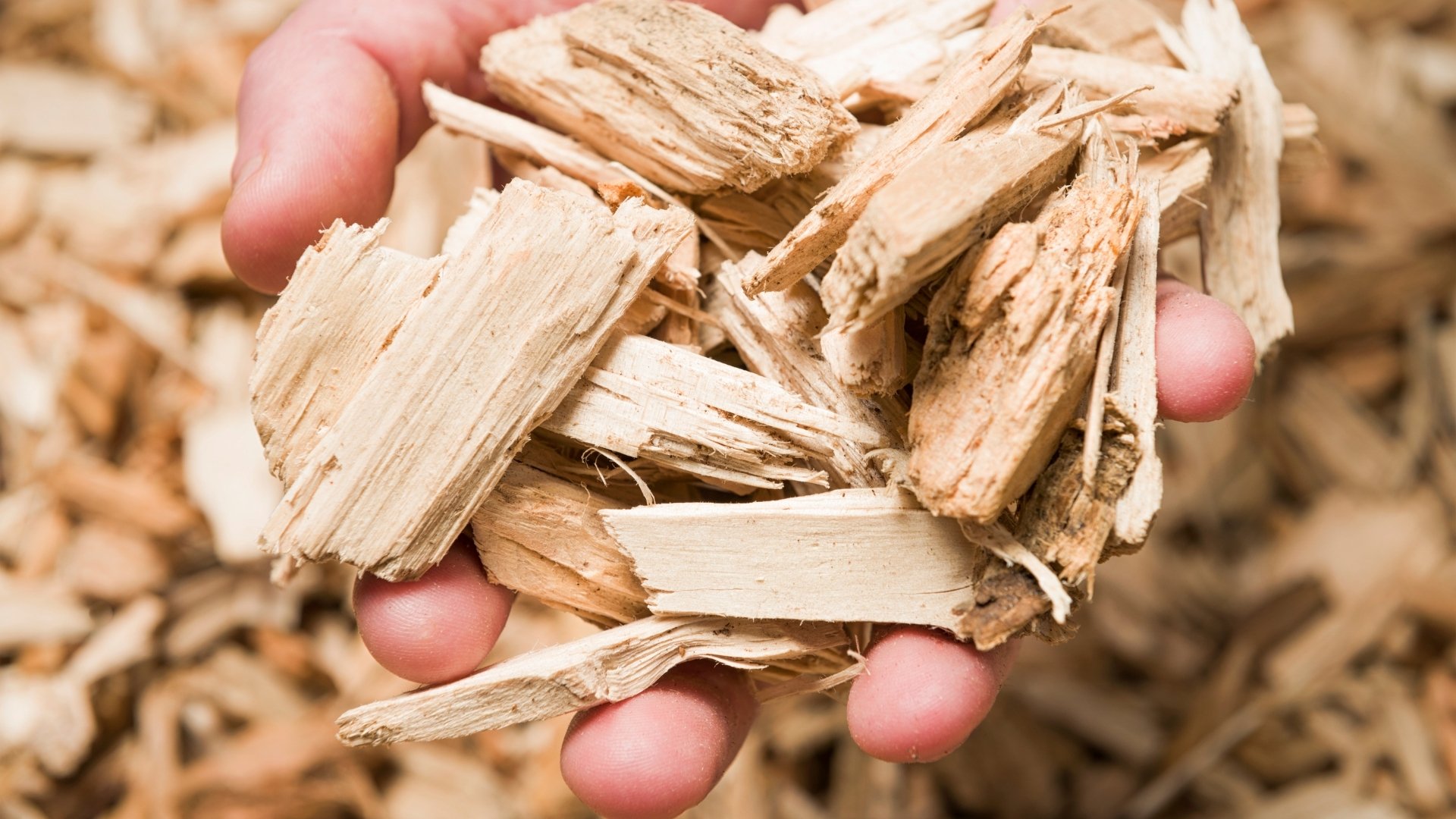
Biomass is widely used as an energy source in forestry, food, ceramics, paper, textile and panel (MDF/particleboard) plants, among others. Its environmental appeal, combining sustainability with regional availability, makes it one of the most popular options for generating steam and heat. Even so, reducing the operating costs of biomass is a constant technical challenge.
In this article we cover how to reduce biomass costs in depth, looking at the fuel’s moisture, weight, density and volume. We also look at how industrial measurement solutions, applied strategically, help deliver better energy efficiency and real savings.
Why can biomass be inefficient?
Although it is seen as a renewable, low-cost input, biomass has wide physical and chemical variability, which undermines its energy efficiency unless it is properly characterized and controlled. The main variables that affect its cost-effectiveness are:
- High moisture content
- Unstable bulk density
- Inconsistent volume from load to load
- Weighing that does not reflect the energy actually delivered
- No traceability of loads and suppliers
These factors cause energy waste, increase biomass consumption per tonne of steam produced and, as a result, drive up logistics and operating costs.
How to reduce biomass costs: moisture is the most critical variable
According to studies by Embrapa and IEE-USP (Brazil), biomass moisture is the main factor determining net calorific value (NCV) and how much of the fuel’s energy can be used. Here is how moisture content affects efficiency:
Basis: freshly processed eucalyptus wood chips, average bulk density 220 to 260 kg/m³ (wet).
| Moisture (%) | NCV (kcal/kg) | Estimated thermal efficiency |
|---|---|---|
| 25% | 3,150 | High |
| 35% | 2,650 | Moderate |
| 45% | 2,150 | Low |
| 55% | 1,650 | Critical |
Approximate values, calculated as NCV ≈ 4,400 × (1 – M) – 600 × M, with M as a decimal fraction (wet basis) and a dry-wood net calorific value of about 4,400 kcal/kg (roughly 18.4 MJ/kg).
In other words, when biomass is bought by the tonne without accounting for moisture, the plant runs the risk of paying for water instead of energy. That is why real-time moisture control is essential to reducing biomass costs in a technical, measurable way.
Real-time moisture measurement: from theory to practice
Until recently, moisture was measured by sampling, using gravimetric methods or lab ovens. Reliable as they are, these methods:
- Are slow (8 to 12 hours on average for results)
- Poorly represent the whole load
- Do not deliver answers in time for decisions
With industrial automation, it is now possible to use smart sensors, such as microwave or capacitance sensors, that:
- Take a reading every second
- Install directly on conveyors, silos or feeders
- Offer accuracy better than 2%
- Feed supervisory systems with real-time data
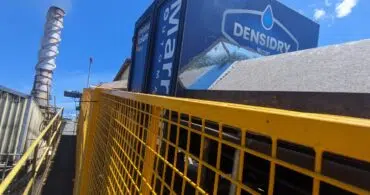
Solutions such as Marrari’s M75 and DensiDry are among the most widely used for this purpose, providing continuous data, history and automatic reports to support operational and management decisions.
Weight, volume and density: the three pillars of energy efficiency
Beyond moisture, biomass weight, usually measured on truck scales, can also be misleading unless it is cross-checked against density and volume.
A comparison:
- Truck A: 30 tonnes at 55% moisture → only 13.5 tonnes of useful dry matter
- Truck B: 27 tonnes at 35% moisture → 17.55 tonnes of dry matter
Even though it is lighter, Truck B delivers 30% more dry matter and about 45% more useful energy, because the wetter load spends part of its own energy evaporating water. Paying by the tonne alone can therefore be a serious technical and financial mistake.
How to fix it
Measuring volume (m³), weight (kg) and moisture (%) together lets you calculate:
- The biomass’s actual and dry density
- The energy value of each load
- Supplier quality, so contracts can be graded and standardized
This data-driven approach is what lets companies reduce biomass costs with well-founded decisions, cutting losses and optimizing thermal processes.
Operational control and data intelligence
By connecting field sensors to supervisory systems, you can:
- See which suppliers deliver drier, denser biomass
- Produce consumption vs. thermal efficiency reports by shift or by day
- Adjust boiler feed to the quality of the fuel
- Avoid thermal overloads and pressure swings caused by wet biomass
As a result, process engineering, maintenance, production planning and energy management can work together to optimize thermal resources, gaining:
- More predictable consumption
- Greater operational reliability
- More secure steam or energy supply
Real cases: how integrated measurement cuts costs
Companies in MDF, pulp and paper, agro-energy and grain drying have reported significant results with smart measurement systems. The main gains include:
- Up to 20% savings in biomass consumption per tonne of steam
- Up to 25% better boiler efficiency by eliminating wet loads
- Fewer maintenance stops caused by excess soot or tar
- Return on investment (ROI) in 6 to 12 months, with ongoing gains in the following years
How to reduce biomass costs: implementation checklist
To put a technical, strategic biomass cost-reduction plan in place, these are the recommended steps:
- Technical assessment of the biomass currently used
- Mapping of the receiving and boiler feed process
- Installation of moisture, weight and volume sensors
- Integration with a supervisory or SCADA system
- Training for operations and maintenance staff
- Tracking of consumption and energy efficiency indicators
- Review of supplier contracts based on real data
Conclusion: reducing biomass costs with precision and technology
Biomass is a strategic energy source, but its variability demands control and intelligence. Knowing how to reduce biomass costs goes far beyond negotiating prices per tonne: you need to measure, analyze and correct in real time the parameters that really drive thermal efficiency and operating cost.
By combining moisture, weight and volume sensors with automated systems, industry achieves:
- Greater energy efficiency
- Fewer losses from inefficient combustion
- Standardized processes
- Sustainable, predictable savings
Investing in measurement and automation technology is not a cost but a competitive advantage. Solutions such as those developed by Marrari Automação, with more than 35 years in the industry, help companies take a modern, reliable and profitable approach to biomass.
Want to apply this in your plant?
Talk to a Marrari specialist on WhatsApp or see the right solution for your process.