Knowing the moisture content of bulk materials in real time (inline) is essential in certain industrial processes. Until recently, there were no solutions for many situations where this information was needed. New technologies, especially digital signal processing, have made it possible to apply several measurement techniques that were previously unviable because of cost or accuracy. The most notable methods are presented below.
Each technology has pros and cons depending on the product and on installation and process conditions. Other factors should also be weighed when choosing the best technology, such as ease of calibration, system robustness and local technical support.
Inline moisture measurement technologies and typical applications
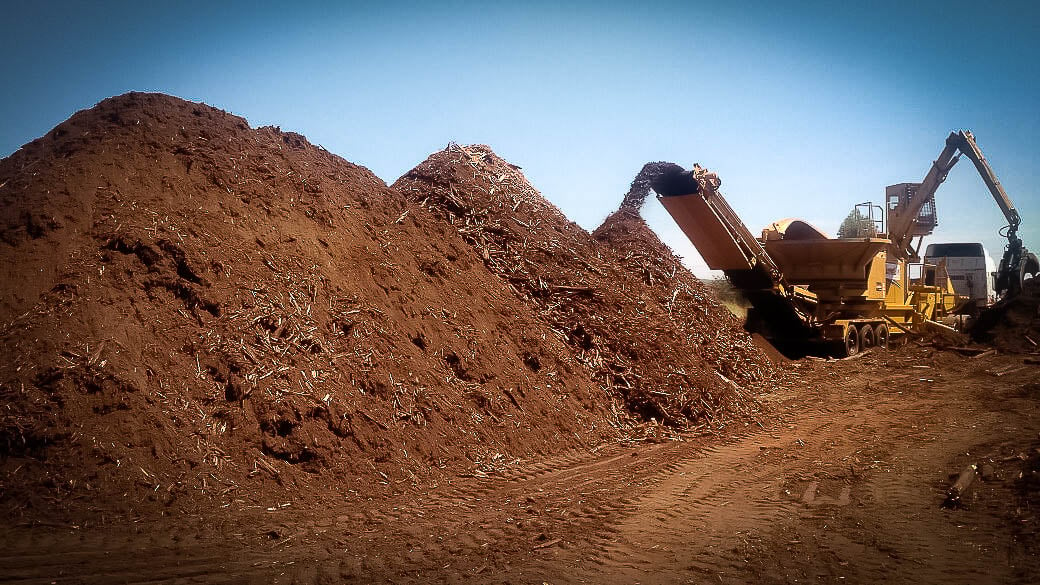
- Dielectric (capacitive, based on the dielectric constant): biomass, wood chips, sugarcane bagasse, grain (soybeans, corn, wheat, etc.), board, wood, veneer, pulp and more.
- Infrared: powdered chemicals, defibrated wood, paper.
- Microwave: biomass, wood chips, mineral products.
- NIR (near-infrared spectroscopy): powdered or liquid chemicals, wood chips, mineral products, grain, paper and more.
Meter calibration
Calibrating the meters requires a laboratory method that is accurate and easy to apply. In most cases the oven-dry method is used: it compares a sample’s dry mass with its initial mass to determine moisture content on a dry or wet basis. This method is widely used and serves as the reference for building the calibration curves of the inline meters above.
Why measure moisture inline
The reasons for measuring a material’s moisture depend essentially on the process it is used in. Some examples:
- Wood chips for pulp production: knowing moisture and a few other process parameters ensures precise control of cooking, saving chemicals, improving wood yield and stabilising the kappa number, among other gains.
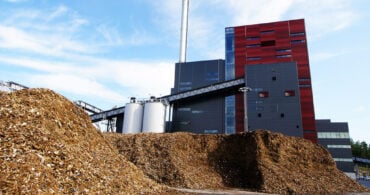
- Biomass as boiler fuel: allows other boiler variables to be adjusted for high efficiency. Gains: fuel savings, stable operation, predictable process behaviour and feedforward control.
- Sugarcane bagasse: ensures quality fuel for the boiler (see above) and allows extraction to be tuned for better yield (imbibition and mill roller pressure).
For more on each technology, on building calibration curves or on laboratory analysis methods, contact Umilab, our moisture analysis and calibration laboratory. See also our inline moisture measurement solutions.
Author: Celso Martini, Eng., Sales Director at Marrari Automação
Want to apply this in your plant?
Talk to a Marrari specialist on WhatsApp or see the right solution for your process.