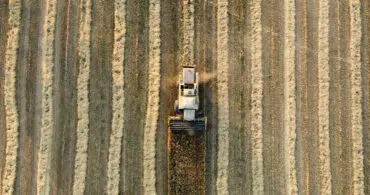
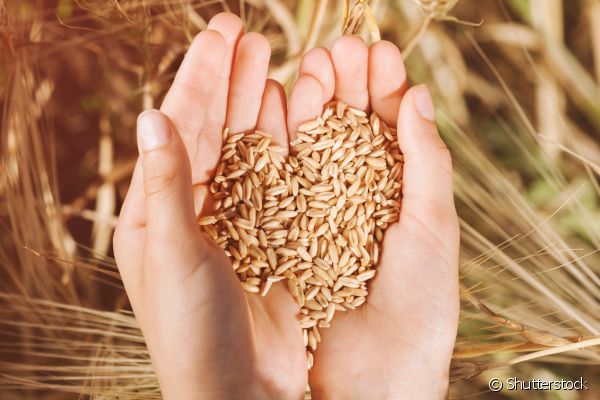
Storing grains and seeds at the right moisture content is an essential part of agribusiness. However, a well-planned harvest and a good storage facility are of little use if the material is not yet ready for that stage: freshly harvested grain must first be dried, a key step to keep the final product within the desired parameters.
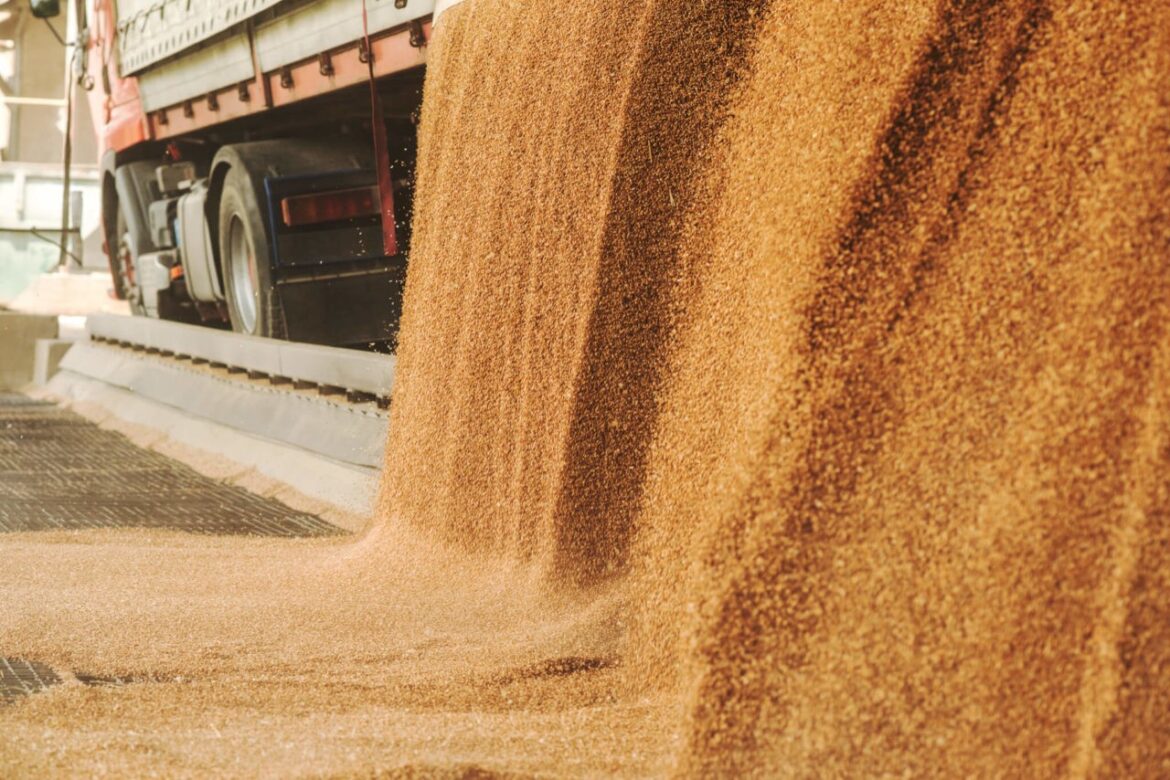
Why dry grains and seeds
Drying aims to reduce the moisture content of grains and seeds, since high moisture encourages the growth and spread of microorganisms that can affect final product quality. High moisture also speeds up grain respiration and raises its temperature, considerably reducing the mass and quality of the material. In seeds, it also affects vigour and germination.
Drying can be done in many ways, naturally or artificially, in silos or in conventional dryers. Whatever the method, air is the drying medium: it transfers heat to the material and removes its moisture. The main systems use mechanical dryers, in which the material circulates continuously or in batches until the desired parameters are reached.
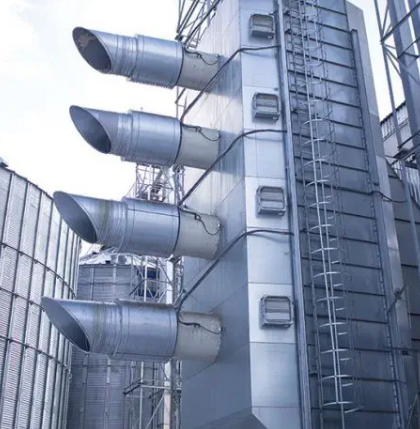
Why drying must be controlled
If drying is carried out without controlling certain parameters, final product quality suffers badly. That is why factors such as process temperature and drying rate must be tightly controlled according to the material being processed.
Marrari offers solutions to help you control grain and seed moisture during drying and storage, with both in-line sensors, such as UmiGrain, and portable moisture meters.
Author: Bruno Daldin Leite, Industrial Wood Engineering student (UFPR), technician at Marrari Automação’s Umilab laboratory
Want to apply this in your plant?
Talk to a Marrari specialist on WhatsApp or see the right solution for your process.