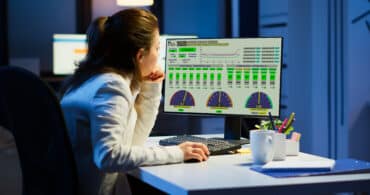

What are SCADA supervision and automation systems for?
Supervision systems and the word “automation” are now as much a part of industry’s routine as terms such as sustainability, ESG (environmental, social and governance), people-centred management and renewable resources. Besides making work easier, the concept brings many advantages to industry worldwide, and this is nothing new.
The idea of automating tasks is not new: it goes back to the Industrial Revolution, which began in the late 18th century. At that time, manual tasks began to be carried out by rudimentary machines that represented the highest technology of their day. These machines were controlled by mechanical parts, which shortened the production time of repetitive, exhausting steps for manual workers.
Today the world is different. The development of industrial and personal computers, the arrival of the internet and artificial intelligence, and the many technologies of the fourth industrial revolution have changed how work and production lines operate. It was with the development of industrial computers that SCADA (Supervisory Control and Data Acquisition) supervisory systems emerged; today they are enhanced by the internet and Industry 4.0 technologies and serve a wide range of industrial sectors.
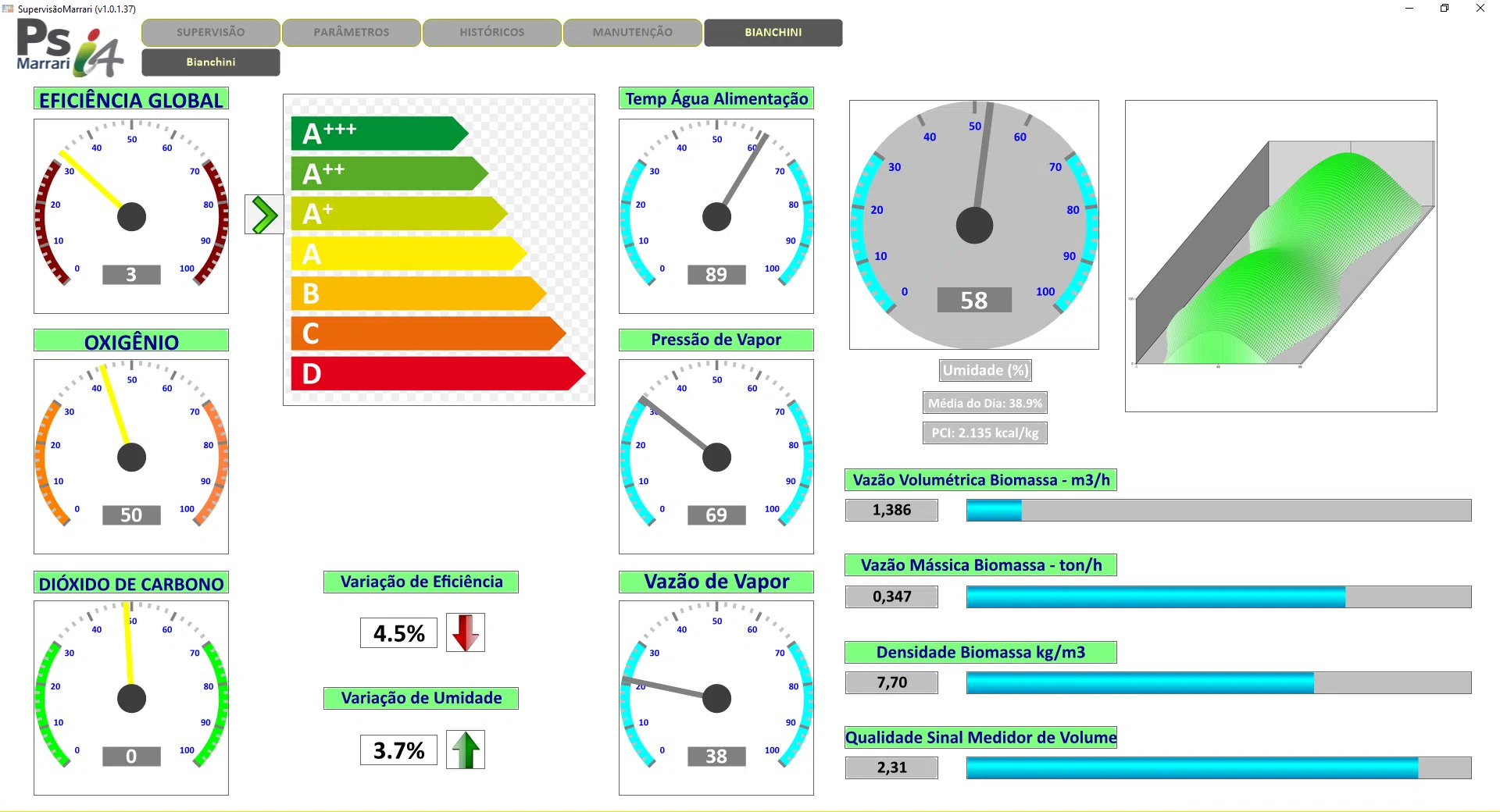
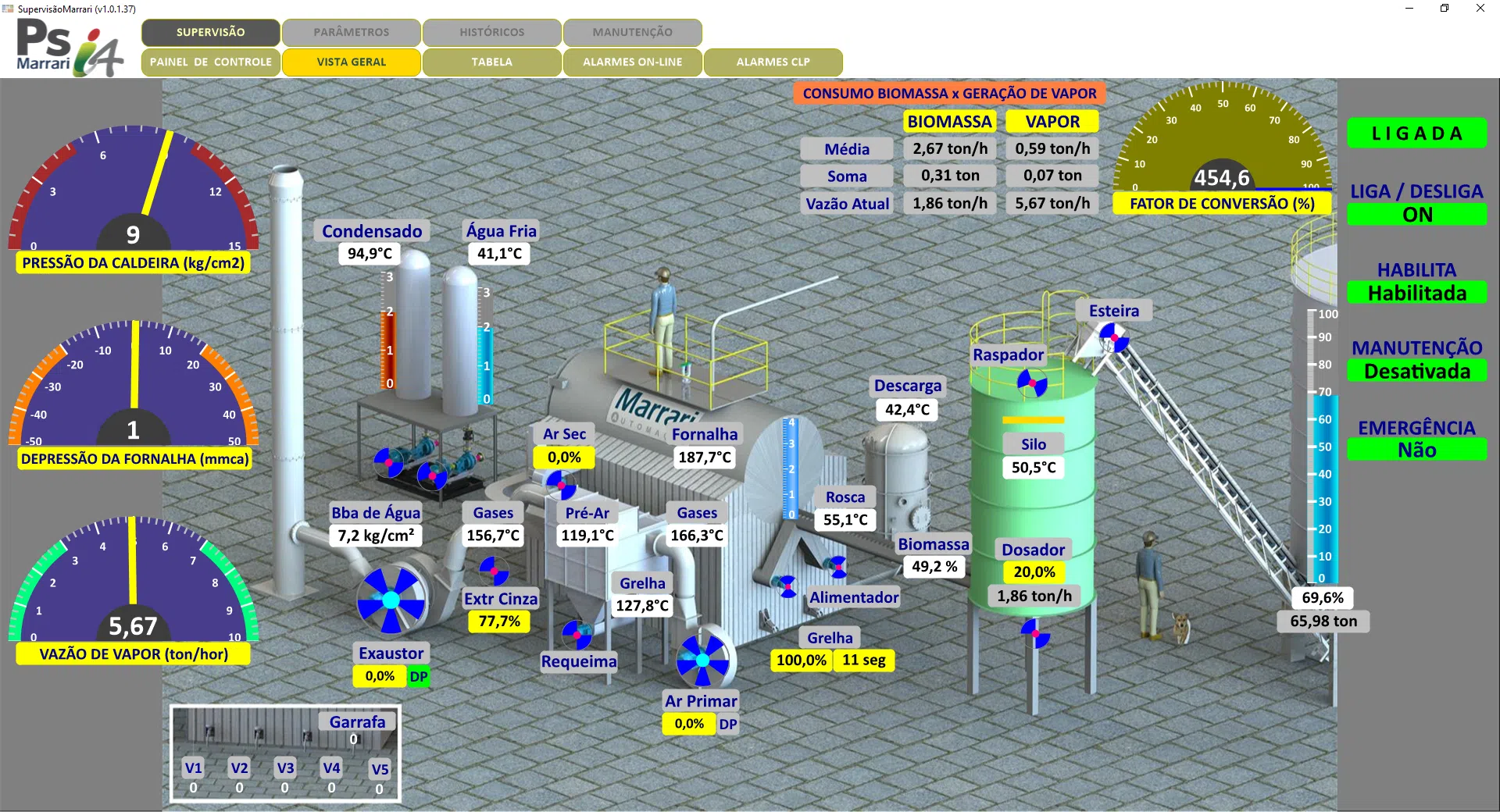
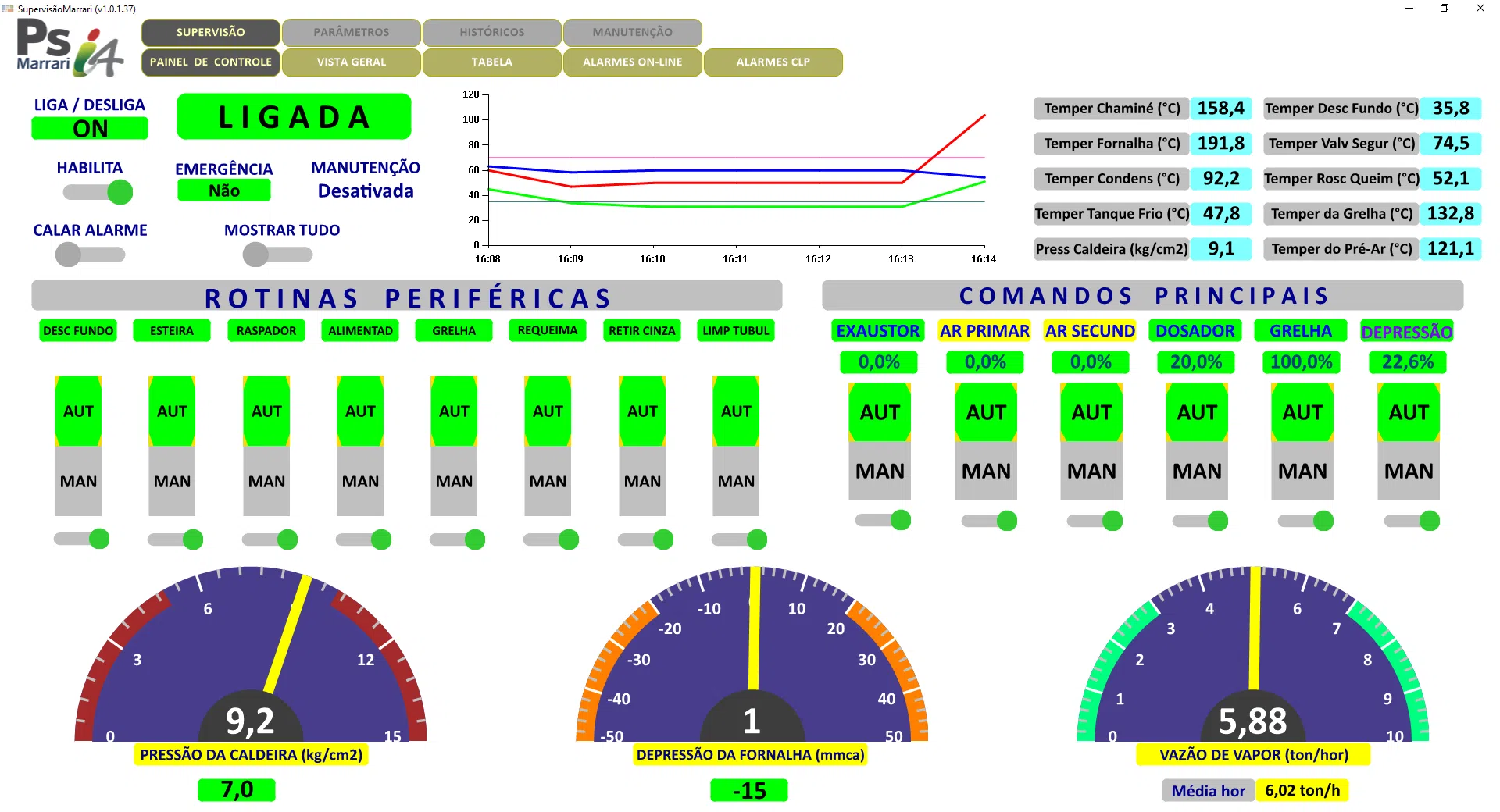
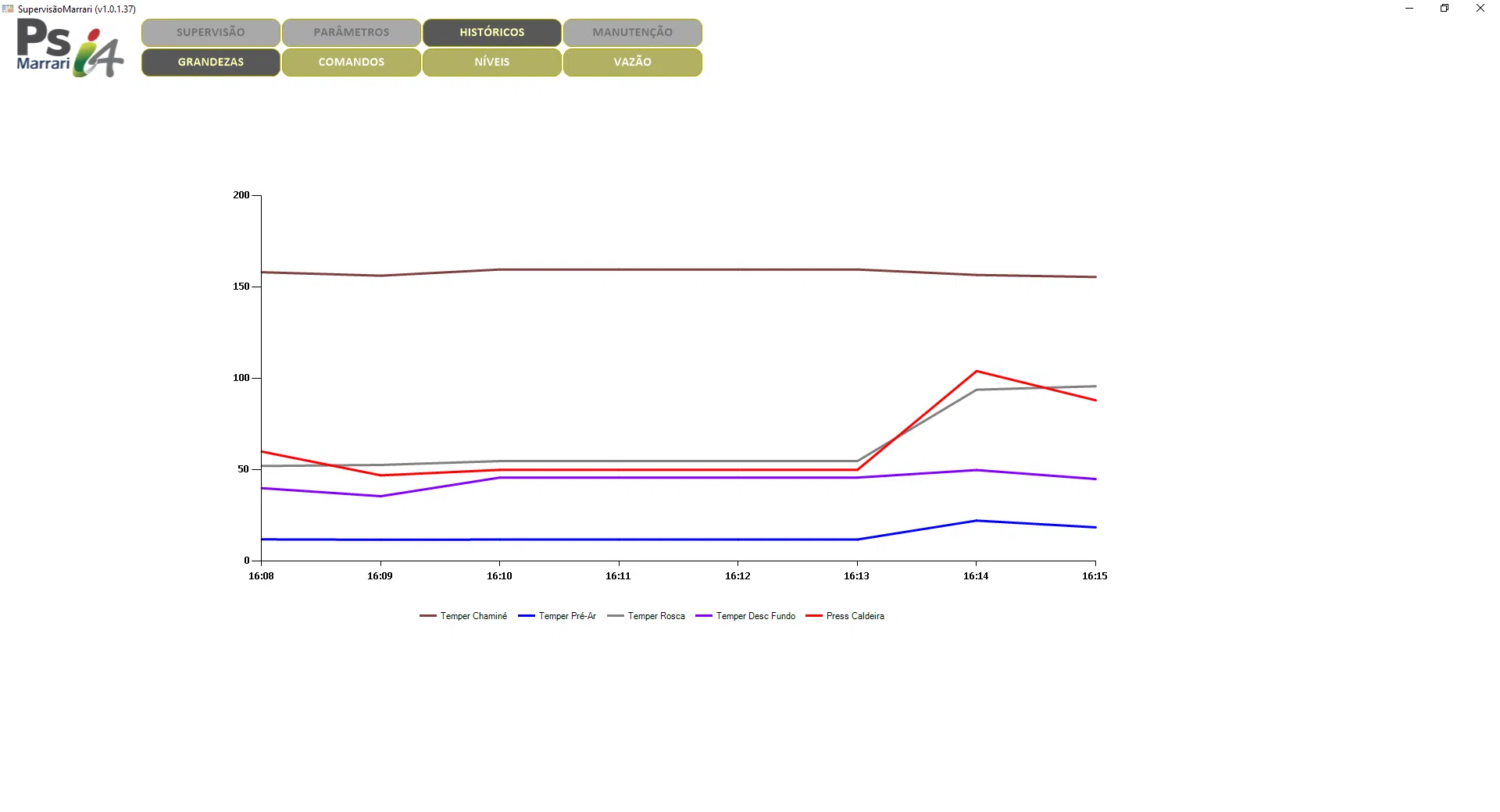
PSi4, Marrari’s modular SCADA software platform, was developed from Industry 4.0 concepts and makes work easier for managers, staff and end customers. Its interface connects to many devices on the shop floor, usually PLCs (programmable logic controllers), through which performance data can be gathered.

So what exactly is SCADA?
A SCADA system is simply a combination of software and hardware elements, such as programmable logic controllers (PLCs) and remote terminal units (RTUs). To be useful in the daily routine of industrial plants, SCADA collects and organizes data coming from shop-floor equipment such as machines and sensors. This information is sent on to the higher levels through human-machine interfaces, known as HMIs. These elements are essential in SCADA, because operators view them and stay aware of what is happening across the whole system.

SCADA is used to track process steps, configure and store information and provide resources for manual or automatic intervention. Besides collecting data, it allows information to be visualized and supervised and performance reports to be created.
Fully configurable by the user or integrator, SCADA systems make everything easier, from data delivery to reports, supporting operators’ decision-making in tasks such as real-time process management; user-customized configuration of each specific process; communication with many PLCs, remote components and data hubs; integration with ERP (Enterprise Resource Planning) systems and other business software; fast installation; and a fast return on investment with a long-term focus.
Applications
SCADA supervision systems use sensors, drivers, servers and actuators that control the processes of an industrial plant in any sector, from the speed of a factory conveyor to the power consumption of a hospital room. All of this simply, directly and in real time, customized and with mobile support, meaning notifications in the palm of your hand.
See Marrari’s software solutions.
Want to apply this in your plant?
Talk to a Marrari specialist on WhatsApp or see the right solution for your process.