Wood chip density is a critical variable to monitor during pulp production. Wood chips are the raw material for pulp, which is produced through a chemical process that separates cellulose from the wood fibers. During cooking, chemicals are added to the chips to dissolve the lignin and other substances, freeing the cellulose fibers.
Chip density and cooking
Chip density has a direct impact on cooking, as it affects how well the chemicals penetrate the chips. Density variations call for different amounts of chemicals. Knowing the density of the wood in the chips therefore avoids some problems and brings several process gains:
- Excess chemicals and wood degradation, leading to losses of raw material and chemicals.
- Insufficient chemicals, which causes rejects (uncooked chips), with the resulting loss of raw material, lower process efficiency and lower final product quality.
- Knowing the wood density, you can run closer to the process limits, which keeps the Kappa number stable and closer to the target.
- Running the digester correctly brings another gain: the colour of the resulting pulp, which in turn optimizes the use of bleaching chemicals.
Chip moisture
Another important variable is chip moisture, that is, the amount of water in the chips. This water becomes part of the digester process, so knowing how much there is lets the operator add the right amount of water and chemicals.
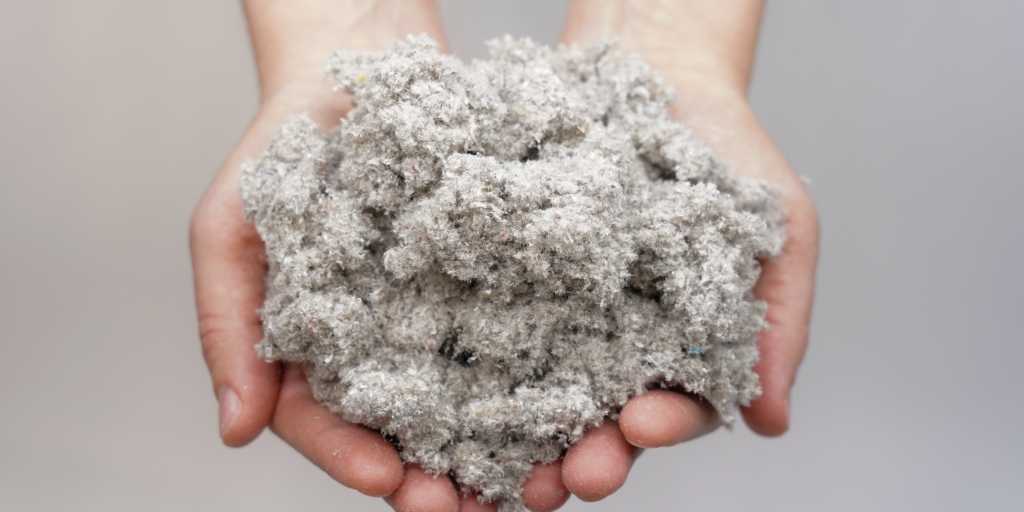
Chip volume
Finally, chip volume is also a critical variable. It refers to the amount of chips fed into the pulp production system. Too much volume can overload the chip feeding and conveying system, hurting process efficiency and raising production costs. Too little can reduce cooking efficiency, affecting the quality of the pulp produced.
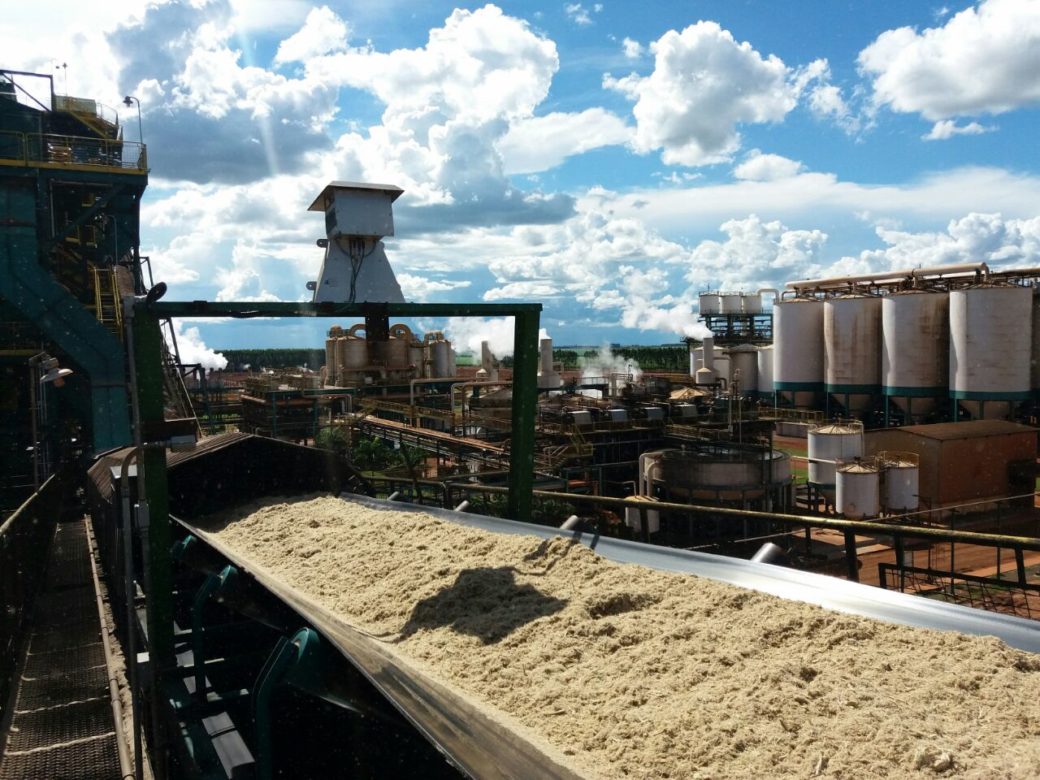
That is why it is important to measure and control chip volume, adjusting the feed rate to keep a consistent, efficient flow. In batch digesters, knowing the chip volume lets you load the digester with the optimal volume and achieve a higher process yield.
Conclusion
Controlling chip density, moisture and volume is key to process efficiency and pulp quality. By monitoring and adjusting these variables in real time, pulp mills can maximize efficiency, cut costs and produce high-quality pulp. Controlling these variables can also help reduce the environmental impact of pulp production, making it more sustainable and responsible.
Want to apply this in your plant?
Talk to a Marrari specialist on WhatsApp or see the right solution for your process.