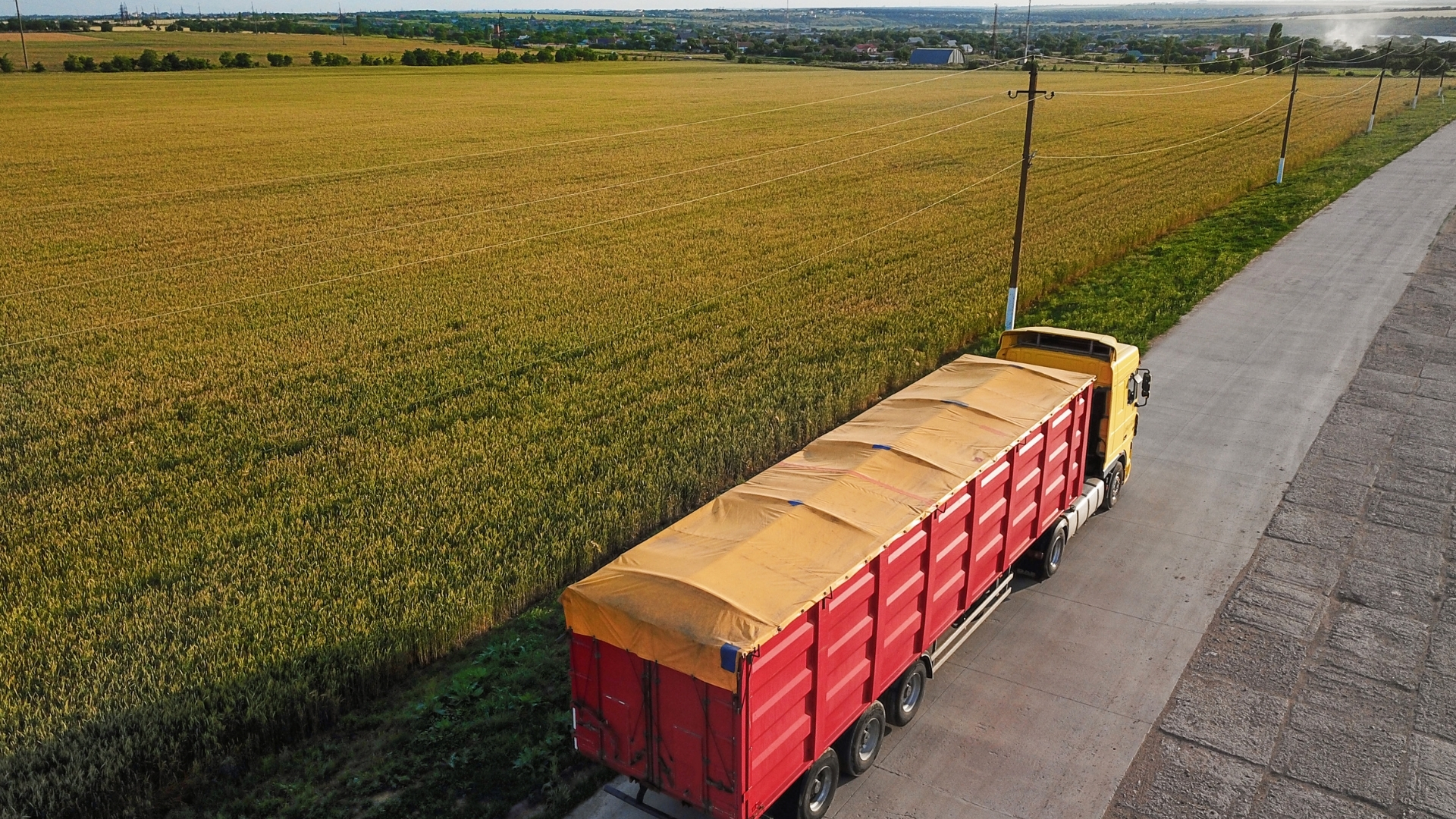
In modern agribusiness, competitiveness is decided in the operational details. With margins getting tighter, energy efficiency in grain drying is no longer a sustainability bonus; it is a matter of financial survival. Drying is estimated to account for up to 60% of the energy costs of a grain storage facility.
This guide covers the technical and technological strategies to optimize that consumption, reduce biomass waste and ensure a better final product.
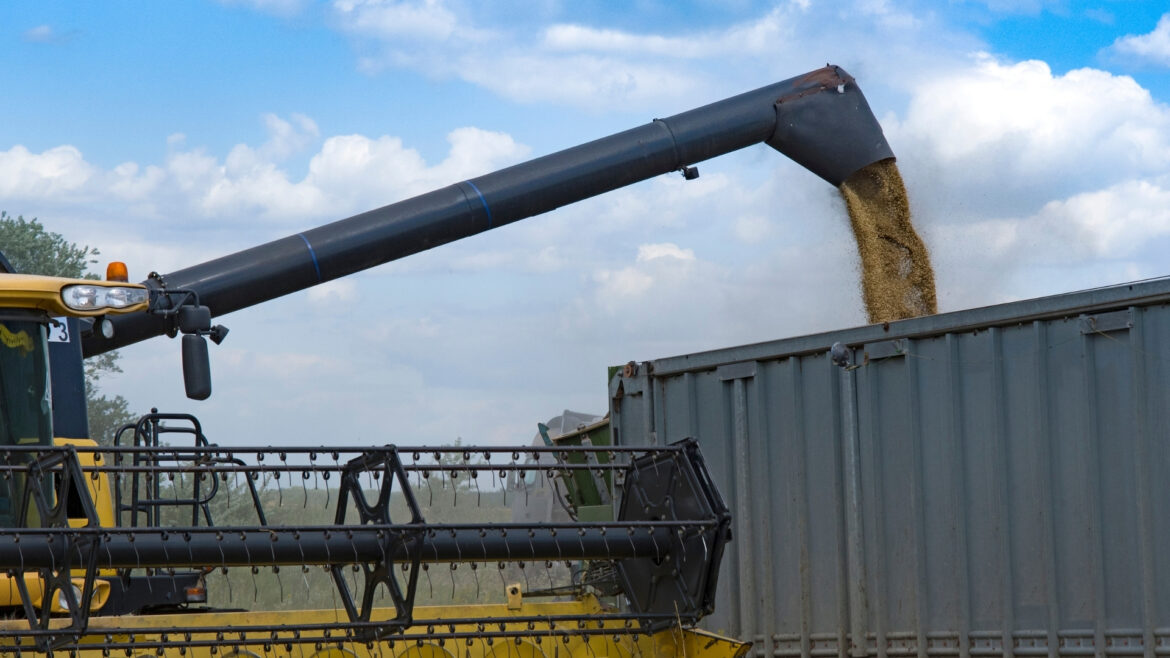
What defines energy efficiency in grain drying?
Efficiency is not just about “spending less”; it is about using thermal energy intelligently. In practice, energy efficiency in grain drying is the ratio between the energy supplied by burning biomass and the amount of water actually removed from the grain.
Many dryers run with massive heat losses due to:
- Hot air leaks through poor seals.
- Thermal inertia caused by poorly sized furnaces.
- Lack of precise moisture control, which leads to heating grain that has already reached its target moisture.
Practical strategies to cut costs
To transform your operation, focus on the pillars that support drying efficiency. These are the critical points every post-harvest manager should monitor:
1. Biomass management (the fuel)
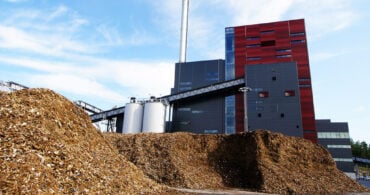
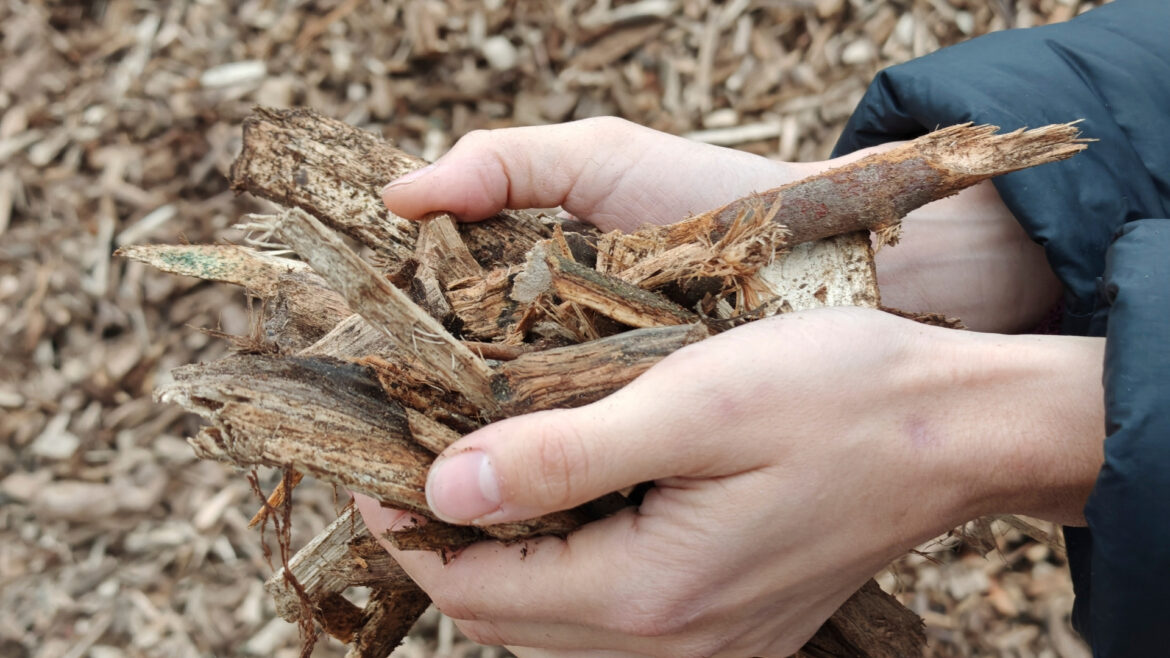
There is no efficiency with poor-quality fuel. The moisture in firewood or wood chips directly affects their net calorific value (NCV).
- Proper storage: biomass left in the rain forces the dryer to spend energy drying its own fuel before it can heat the air.
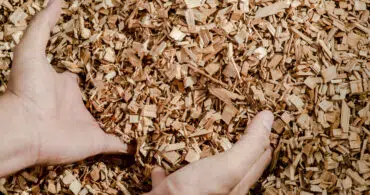
- Uniform chip size: irregular sizes cause incomplete combustion and temperature spikes, hurting drying efficiency.
2. Real-time flow and moisture control
The biggest enemy of efficiency is the “human factor” in sampling. While an operator spends 15 minutes testing a sample on a benchtop meter, the dryer may have processed tonnes of grain inefficiently.
- In-line meters: equipment such as Marrari’s UmiGrain allows instant corrections to discharge speed. If grain is coming out at 12% (below the 14% target), the system increases throughput, saving valuable furnace and fan time.
Factors that affect thermal performance
To ensure energy efficiency in grain drying, your team should watch these five technical factors:
- Air-to-grain ratio: airflow must match the load. Too little air causes slow drying and fermentation; too much air “passes through” the grain without carrying moisture away, wasting heat.
- Dry-bulb vs. wet-bulb temperature: psychrometric monitoring shows how much water the ambient air can actually absorb, so the furnace can be adjusted to the day’s relative humidity.
- Fan and motor maintenance: old motors or loose belts increase electricity use and lower the overall efficiency of the drying system.
- Duct insulation: heat lost in the ducts between furnace and dryer is fuel thrown away. Insulating them can raise efficiency by up to 15%.
- Grain cleaning (pre-cleaning): impurities and fines block hot air, creating “dead zones” in the dryer that need longer run times to dry.
The financial impact of over-drying
A common mistake is believing that “well-dried grain is safe grain”. But over-drying is the opposite of energy efficiency.
If you deliver a load of soybeans at 11% moisture when the contract allows 14%, you are giving up about 3.4% of the total weight in water you could have sold. On 10,000 tonnes, that is about 340 tonnes of lost product, plus the extra biomass spent removing moisture that did not need to go. Automation with precision meters removes that margin of error.
Conclusion: the future is smart drying
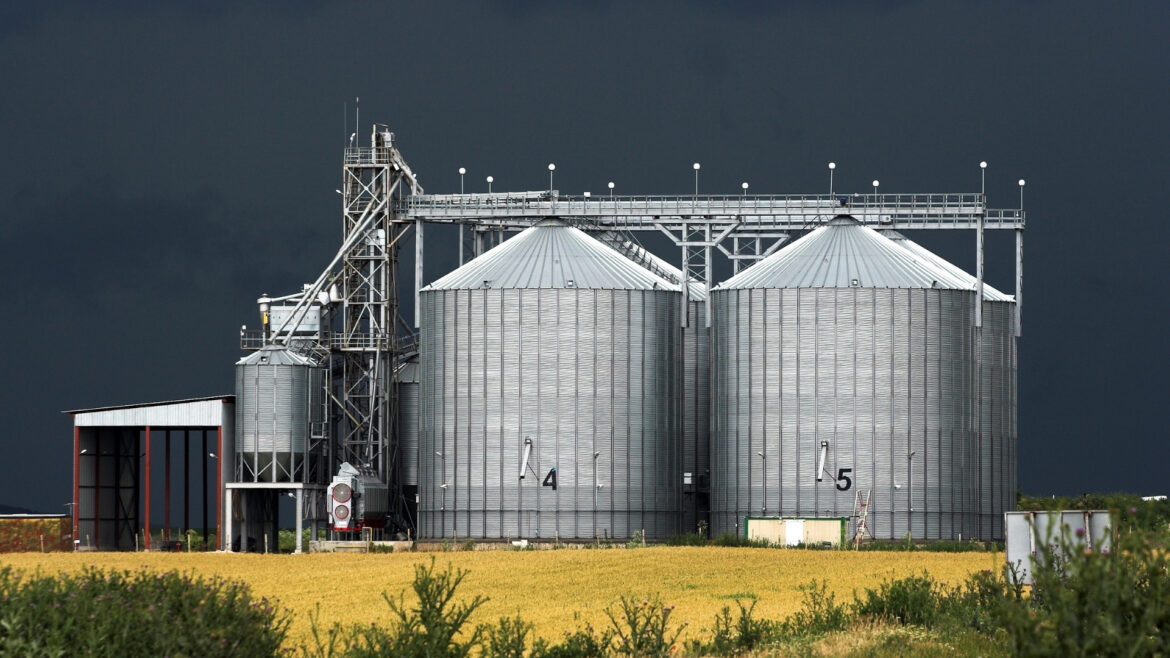
Pursuing energy efficiency in grain drying is an ongoing journey of process improvement. By investing in technology that reads moisture accurately and in real time, in both the biomass and the grain, the industry not only lowers its carbon footprint but also protects its margins against market swings.
Marrari leads this shift with sensors that act as the “eye” inside your dryer, making sure every kilo of wood burned turns into real results for your business.
Expert tip: start by auditing your shrink. If outbound scale weights are consistently below expectations, over-drying is eating into your energy efficiency.
Want a custom quote for in-line meters at your facility? Click here to talk to Marrari.
Click below to see UmiGrain, Marrari’s solution for grain and seed moisture measurement:
Want to apply this in your plant?
Talk to a Marrari specialist on WhatsApp or see the right solution for your process.