
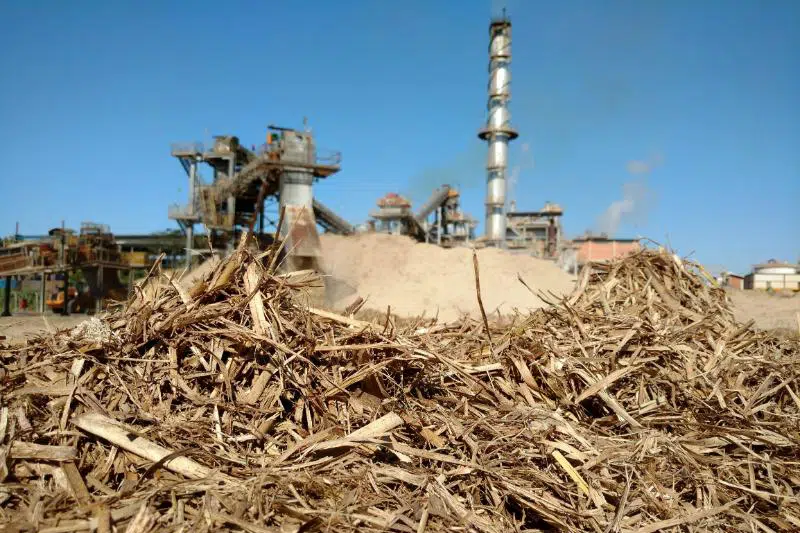
Biomass is mainly used to generate energy, whether electrical, thermal or chemical. The specific application determines the process to follow and the choice of material. Biomass can be divided into several groups, including woody materials, herbaceous materials and aquatic plants.
Where biomass energy comes from
Biomass is organic material with energy potential, the result of solar energy stored through photosynthesis. During combustion, chemical bonds are broken and that energy is released. Although it emits carbon dioxide when used, the amount is equivalent to what the plant absorbed while growing. So, when it comes from sustainably managed sources, biomass adds very little to atmospheric carbon dioxide.

Why biomass is gaining ground
Process and equipment technology for converting biomass into energy is advancing quickly, making the process increasingly viable for industry. Other factors include public policies for the use of agricultural residues, a wide variety of materials and suppliers, and low carbon emissions.
Today, with good equipment and process control, biomass can be used at a competitive cost and with good conversion efficiency, which makes it a leading energy source, especially compared with fossil and non-renewable fuels.
Now that you know what biomass is used for, note that the key variables for using it efficiently, such as moisture, density and calorific value, can be diagnosed and controlled with Marrari’s solutions. See Marrari’s biomass solutions.
Author: Bruno Daldin Leite, Industrial Wood Engineering student (UFPR), technician at Marrari Automação’s Umilab laboratory
Want to apply this in your plant?
Talk to a Marrari specialist on WhatsApp or see the right solution for your process.