What is phytosanitary treatment?
Phytosanitary treatment is a process that aims to eliminate or reduce living organisms that harm plant health and to prevent them from spreading to other areas. In wood, it is needed to stop the spread of forest pests, which can damage a country’s environment and economy.
For export wood, the most common terms are KD and HT. Heat treatment parameters follow the international standard ISPM 15, which Brazil adopts through MAPA Normative Instruction No. 32/2015 for wood packaging and dunnage.
KD treatment (Kiln Dried)
KD (Kiln Dried) means wood dried in a kiln: a process that uses controlled heat to reduce the wood’s moisture content and that, when it meets the required heat parameters, also kills pests and diseases.
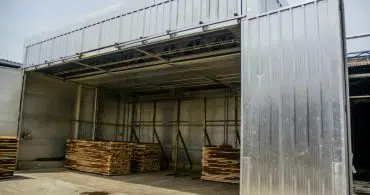
The process takes place in a purpose-built drying kiln. The wood is loaded into the kiln and air temperature and humidity are adjusted gradually, according to the species and the thickness of the pieces.
A drying cycle can last from a few hours to several days, depending on species, thickness and initial moisture, until the wood reaches the target final moisture. To also count as a phytosanitary treatment, the drying schedule must ensure the core of the pieces reaches at least 56 °C for 30 continuous minutes. Lower moisture also helps prevent fungal and bacterial growth, in addition to killing any pests present.
Kiln drying is widely used around the world for export wood. It is also a greener option than chemical treatments, since it uses no chemicals to kill pests and diseases.
However, kiln drying can change the colour and appearance of the wood, depending on the species and the temperature used. Manufacturers and exporters should take this into account when choosing the right treatment.

HT treatment (Heat Treatment)
HT (Heat Treatment) is a phytosanitary process that uses high temperatures to kill or inactivate living organisms, such as pests and diseases, in the wood.
It consists of heating the wood until its core reaches at least 56 °C and holding that temperature for at least 30 continuous minutes, as required by ISPM 15. This time and temperature combination inactivates the pests in the wood.
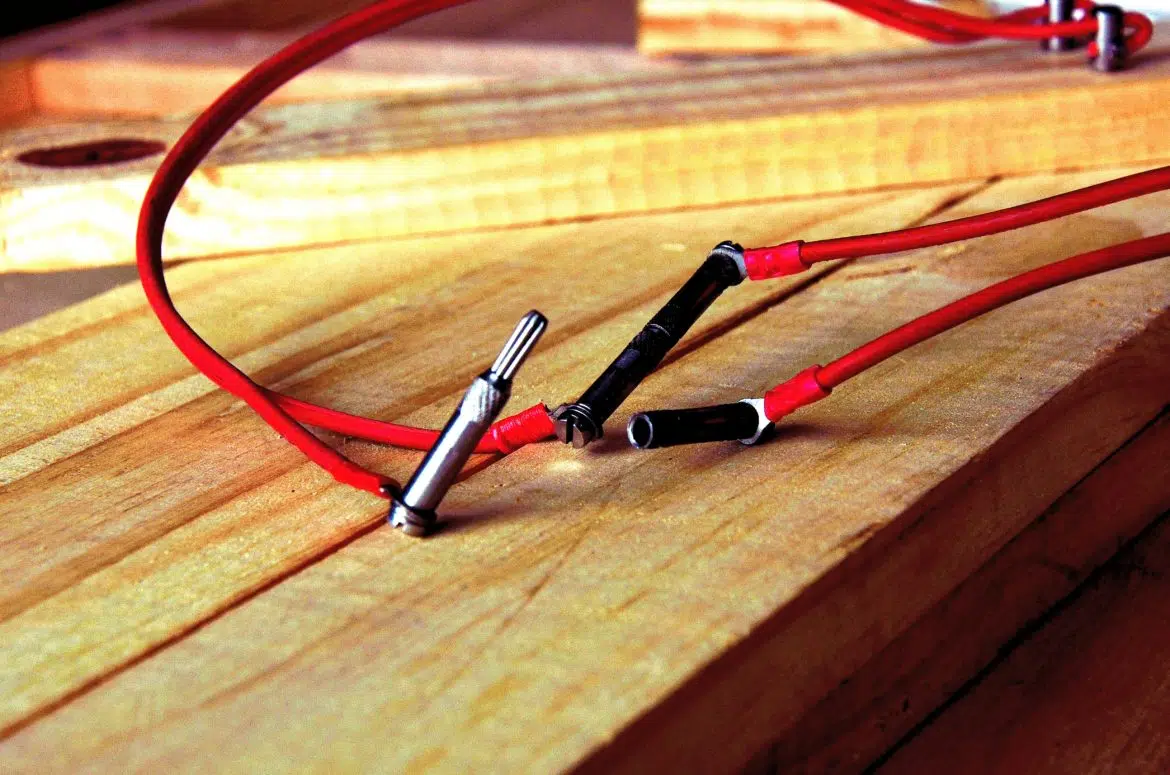
During HT, the wood is placed in a purpose-built chamber heated with fuels such as natural gas, oil or wood. Temperature is monitored continuously, with probes inserted into the pieces, to prove that the wood core reached the required minimum temperature.
HT is widely used around the world for export wood, especially to countries with strict pest control rules. Like kiln drying, it is greener than chemical treatments because it uses no chemicals.
However, HT can change the colour and appearance of the wood. Manufacturers and exporters should take this into account when choosing the right treatment.
Which one is more effective?
Both are effective at killing wood pests when they meet ISPM 15 parameters. In practice, kiln drying (KD) can include the HT treatment in the same cycle, as long as the core of the pieces reaches 56 °C for 30 continuous minutes. Dry wood is also less susceptible to fungal attack.
How is it certified in Brazil?
In Brazil, phytosanitary treatment of export wood must be carried out by a company accredited by the Ministry of Agriculture and Livestock (MAPA). On wood packaging and dunnage, the treatment is shown by the ISPM 15 mark; for other wood products, when the destination country requires it, MAPA issues the phytosanitary certificate confirming that the wood was treated according to international standards.
To do this, the exporter should follow a few steps:
- Have the treatment done by a specialised company, or accredit your own kiln with MAPA;
- Make sure the company responsible is accredited by MAPA and follows the wood treatment rules and regulations;
- When required, submit the wood to MAPA inspection to verify that the treatment was carried out correctly;
- Submit the required documents to MAPA, including the treatment certificate and the other export documents.
With the paperwork in order, the exporter can ship the treated wood according to the destination country’s rules.
Conclusion
In short, KD and HT phytosanitary treatment of export wood is an important process to ensure the quality and safety of exported wood, and having it done by an accredited company is key to proving compliance with international standards.
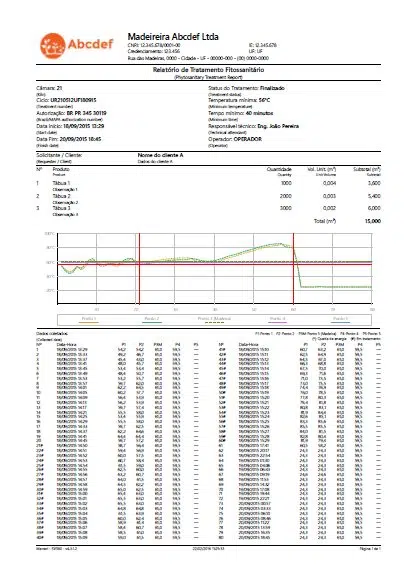
Marrari offers the right equipment to monitor the treatment and generate the phytosanitary report ready for the technical officer’s signature. See Marrari’s KD & HT Phytosanitary Control.
Want to apply this in your plant?
Talk to a Marrari specialist on WhatsApp or see the right solution for your process.