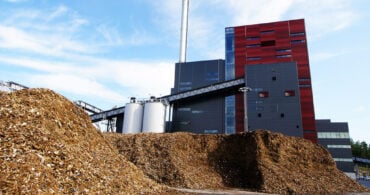
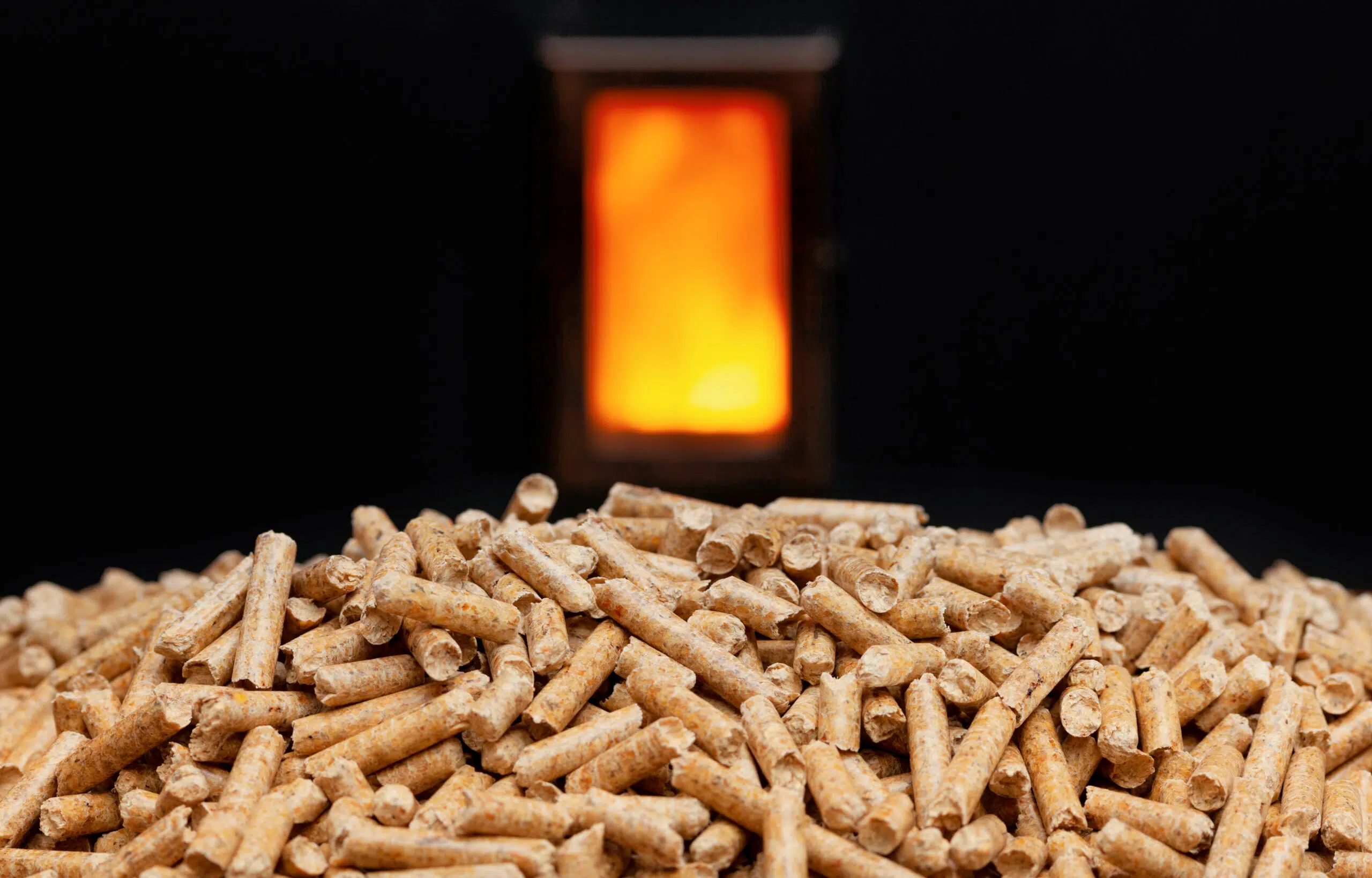
Wood pellet production plays a vital role in the renewable energy industry, providing a clean and sustainable fuel source. However, one often underestimated but crucial factor that can significantly affect pellet quality is moisture.
Why wood pellets matter
Wood pellets are small compressed cylinders made from sawdust and wood residues. They are widely used as an efficient alternative to fossil fuels, especially for producing heat and electricity. Wood is a renewable source, which makes pellets an environmentally friendly option.

The role of moisture, volume and density in pellet production
Moisture is a critical factor in wood pellet production because it directly affects the pellets’ physical and chemical properties. Besides moisture, volume and density also play essential roles. Sawdust, the main raw material for pellets, naturally contains water, and excess moisture can compromise energy efficiency, volume and density of the final product.
Negative effects of moisture, volume and density on wood pellets
Excess moisture, inadequate volume and low density in pellets cause several problems. First, combustion becomes less efficient, reducing heat output. Moisture can also lead to mold and bacteria, compromising pellet stability and durability. Inadequate volume and density also hurt energy performance and storage and transport efficiency.
Controlling moisture, volume and density during production
To ensure wood pellet quality, it is essential to tightly control moisture, volume and density throughout production. This includes properly drying the sawdust before compression and keeping pellet density at the ideal level. Industrial dryers and continuous measurement help keep moisture in the right range and density within specification.
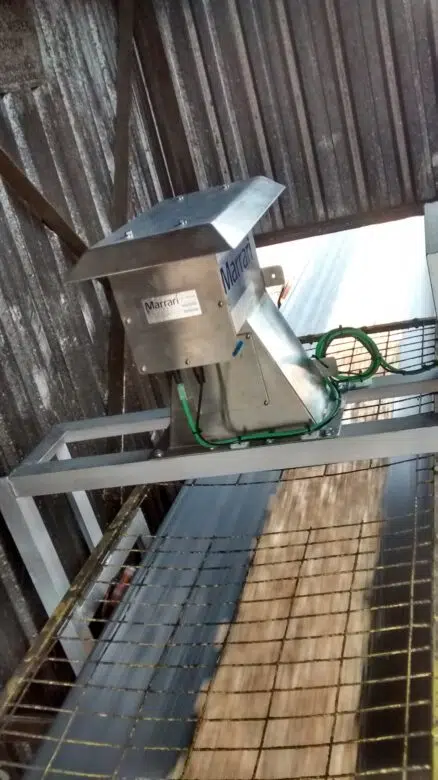
In the first picture below you can see a volume and weight sensor in operation and, next to it, a moisture sensor installed in a pellet plant. With these two readings you can determine material density, production quantity and much more. See DensiDry, the in-line volume, moisture and weight meter.

Economic and environmental impact
Beyond the direct effects on product quality, moisture, volume and density also have economic and environmental implications. Lower energy efficiency means burning more pellets to meet the same demand, which raises costs. Wasting low-quality pellets also harms the environment, contradicting the principles of renewable energy.
Conclusion
In short, moisture, volume and density are critical factors in wood pellet production. Their direct impact on energy efficiency, durability, storage and transport shows the need for tight control throughout the process. By prioritizing proper management of these factors, the wood pellet industry can deliver a sustainable and efficient energy source.
Want to apply this in your plant?
Talk to a Marrari specialist on WhatsApp or see the right solution for your process.